Jojo Moyes Faces EU Ban Over Border System Records Glitch
The novelist says a missing exit record in the EU's digital border system has left her facing a two-year ban and a €10,000 fine. Other British travellers report wrongly used-up allowances.
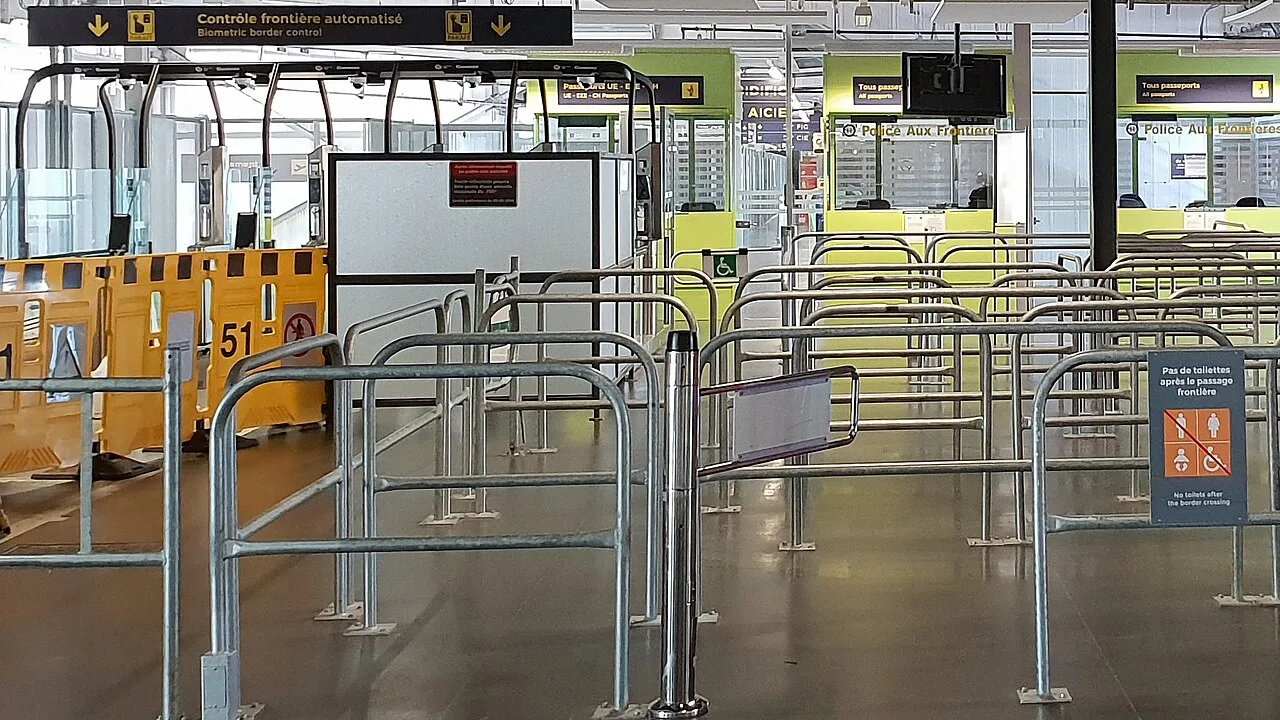
Novelist Jojo Moyes says she faces a two-year EU travel ban and a €10,000 fine because of errors in the bloc's digital border system. She is one of several UK travellers reporting that their trips were not recorded properly.
How the missing exit record arises
The EU's entry and exit system (EES) launched last year. At border posts in Schengen countries it swapped passport stamps for biometric checks. Since Brexit, Britons may spend 90 days in any 180 in Europe. The 180-day window opens at entry. Anyone judged to have overstayed risks deportation or fines of up to €10,000.
Trouble starts when the system captures a traveller's biometrics at entry but not at exit, and so has nothing on file for the departure.
The result, as UK travellers describe it, is that the system falsely states their allowance is used up. Some say they have been denied their post-Brexit right as a consequence.
How a record can be checked and corrected
The EES website shows the days left once a passport number is entered, and its record covers Schengen visits made since 10 April 2026.
A traveller who sees fewer days than expected can request a correction before setting off. The route is the Travel to Europe data protection page: pick the last country visited, then contact the relevant data controller. Moyes says her attempts to do this have so far been in vain.
A detention in Marseille
French border guards detained Moyes after a holiday and accused her of overstaying. In fact she had spent only 23 days in the EU over six months. She then found that her departure from Portugal after a May trip had never been logged.
"The clock had been ticking ever since," she told the consumer organisation Which? The senior border officer in Marseille warned her not to try re-entering Europe until it was sorted, or she would face the fine and the ban.
Over the past two weeks she says she has tried every option, and she has now hired an immigration lawyer. She noted that not everyone can afford one. She also said she does not know how much time the system believes she has spent in Europe, or whether she is safe to travel.
Other travellers caught out
Jane Nolan and her husband found that the EES wrongly showed their 90-day allowance as used up, which stopped them booking a trip to France. They had spent 40 days there in April after taking LeShuttle, so by her count they should have 50 days left. The EU's tool shows zero remaining days and does not say which entry or exit record produced that result.
When the couple returned to the UK in June, their passports were stamped by hand. French authorities had paused the EES at the time to keep queues short. The couple have asked the French authorities to check their records and do not yet know what went wrong.
The Telegraph reported another case: a UK holidaymaker was held at the Italian border and removed under police guard after a system error suggested she had overstayed.
Reaction from travel bodies and the Foreign Office
Rory Boland, editor of Which? Travel, called the situation unacceptable and said it was among the most serious in a long line of European border control failures. The Advantage Travel Partnership, which represents independent travel agents, said British travellers were being penalised for a chaotic system. Its chief executive, Julia Lo Bue-Said, asked for greater accountability and a simple way to challenge and correct inaccurate records.
The Foreign Office called the problem concerning. A spokesperson said it knows of reports of inaccurate EES records affecting British nationals, including incomplete ones, and is raising the issues with the European Commission. Travellers are advised to carry evidence of when they last left the EU and to raise any anomalies with border officials. The Commission has been contacted for comment.
Technical glitches and staff shortages led some countries to pause the EES and check passports by hand.
Three firms are being sued by the EU over the failures, the Guardian reports.
Source: the Guardian