Seven Planes Across Europe Searched or Diverted After Bomb Threats
Bomb threats against passenger flights from the UK, Ireland, Denmark, Portugal and Italy forced searches and diversions. Authorities say all planes landed safely and are looking into whether the threats were coordinated.
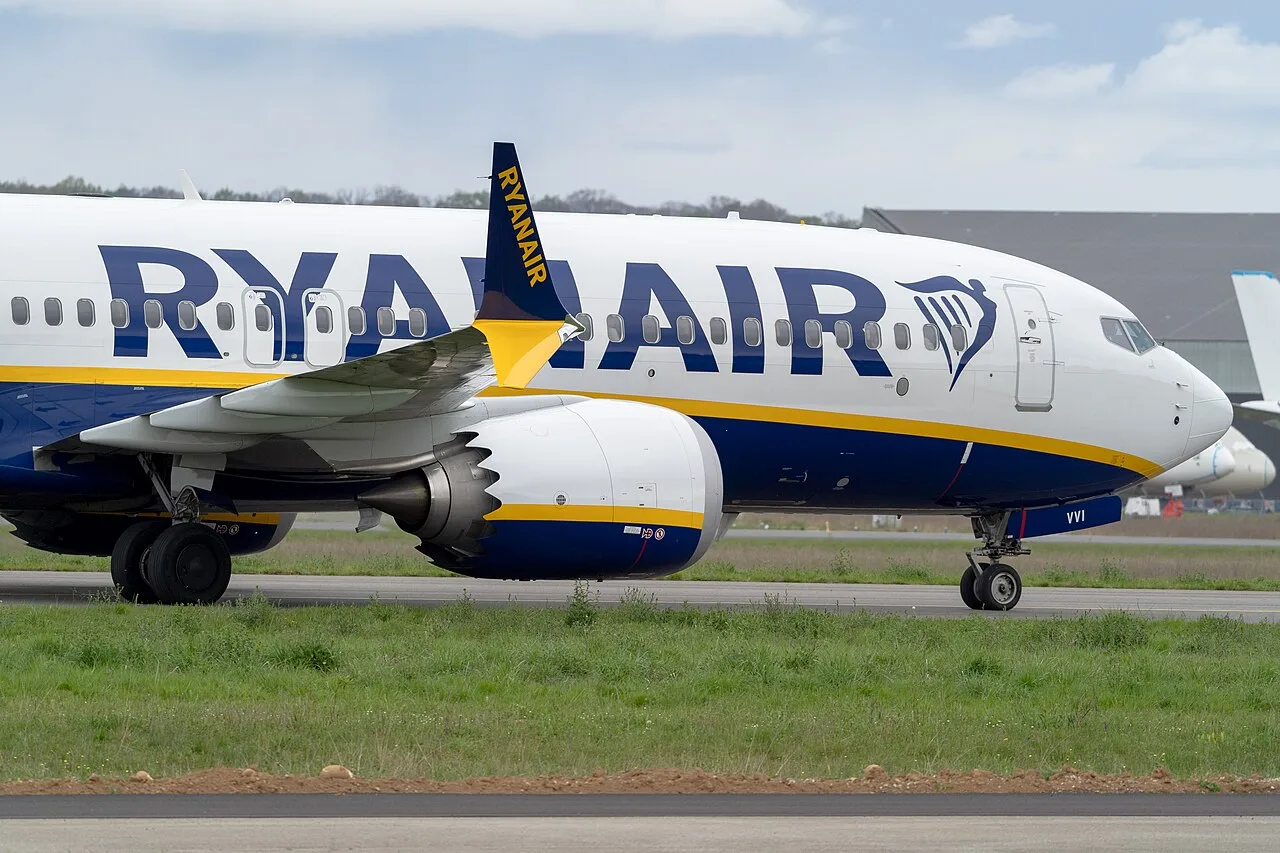
Seven passenger planes were searched or diverted across Europe in one day after bomb threats. All landed safely and no explosives turned up, yet the number of alerts has raised questions about coordination.
UK officials on the threats
Downing Street described the threats to two UK departures, from Heathrow and Manchester, as "malicious hoaxes". A UK Department for Transport source said the low-level threats were "not credible" and that passengers should not be concerned. The warnings still disrupted flights and set off investigations across the UK and Europe.
The Metropolitan police said its aviation unit is monitoring the situation. It added that no security issues were identified after threats made against flights that had already taken off.
None of the searches found evidence of terrorist activity. Investigators said nothing yet pointed to a hostile state behind the threats. They kept monitoring and shared information across the continent.
Why a fake threat can still divert a plane
Philip Baum, visiting professor of aviation security at Coventry University, said fake threats happen daily. Most come from people who think it is funny or want to delay a flight. Answering every unsubstantiated one, he said, would bring flights to a standstill.
Real terrorist groups, in his account, do not warn anyone beforehand. They claim responsibility afterwards. He added that the fact some aircraft did divert would "imply that the threats are credible and specific in nature".
The industry works to a regulated process for assessing bomb threats, even though virtually all turn out to be fake. In the UK, airlines also have to file a mandatory occurrence report with the Civil Aviation Authority.
Poland: two flights, one airport shut
The first incident involved a LOT Boeing 737 Max from Heathrow. It was bound for Warsaw's Chopin airport but went to Modlin, the city's second airport, which authorities closed after the alert. The plane landed without incident.
Spokesperson Adam Szablowski told AFP: "The passengers were evacuated and the plane underwent security checks. Nothing was found."
A Scandinavian Airlines plane from Copenhagen to Warsaw was also threatened. It landed at Chopin, where a security inspection closed part of the airport and turned up no explosive devices. Polish officials confirmed bomb threats involving two flights coming into the capital.
Spain, Italy and Bulgaria
A Ryanair plane from Manchester was met by emergency vehicles on landing at Murcia in southern Spain. Spanish regional authorities said on social media that no explosives were found.
Two Ryanair flights were searched at Rome's Fiumicino airport, according to the operator ADR. The first had come from Lisbon. The second, from Dublin, arrived later in the morning with Italian air force fighter jets alongside until it landed.
Bulgaria's transport ministry told Reuters that a Wizz Air flight from Bergamo and a Ryanair flight from Dublin, both heading to Sofia, had been threatened. Each carried about 180 passengers. Both landed safely, with no devices found.
A scattered picture, and a day earlier
The affected flights took off from the UK, Ireland, Denmark, Portugal and Italy. They were landing in Poland, Spain, Italy and Bulgaria. Four were Ryanair services, and the others belonged to Wizz Air, LOT and SAS. The incidents showed little obvious pattern.
The day before, a Wizz Air flight from London Luton to Sofia, due out at 8.15am, made an emergency landing in Budapest escorted by a Hungarian fighter jet. Wizz Air said the threat came "during the flight". It was apparently without substance.
The background is tense. Aviation security fears were reignited by the recent FlyDubai incident, when a co-pilot allegedly tried to crash a Tel Aviv-bound plane. Russia has also been accused of being behind firebomb threats aimed at parcel carriers using cargo planes over the past two years. Ryanair did not respond to requests for comment.
Our View
Sofia appears on both days' lists: the Luton flight on Monday, and two more flights into the Bulgarian capital on Tuesday. That could be coincidence or one sender. Investigators have not said which. The answer depends on whether they can trace the threats to a common source, and nothing published so far says they have.
Source: the Guardian