UK Climate Advisers Say Weaker EV Rules Would Likely Miss Targets
The Climate Change Committee says easing the zero emission vehicle mandate would likely push the UK off course on its legally binding climate goals.
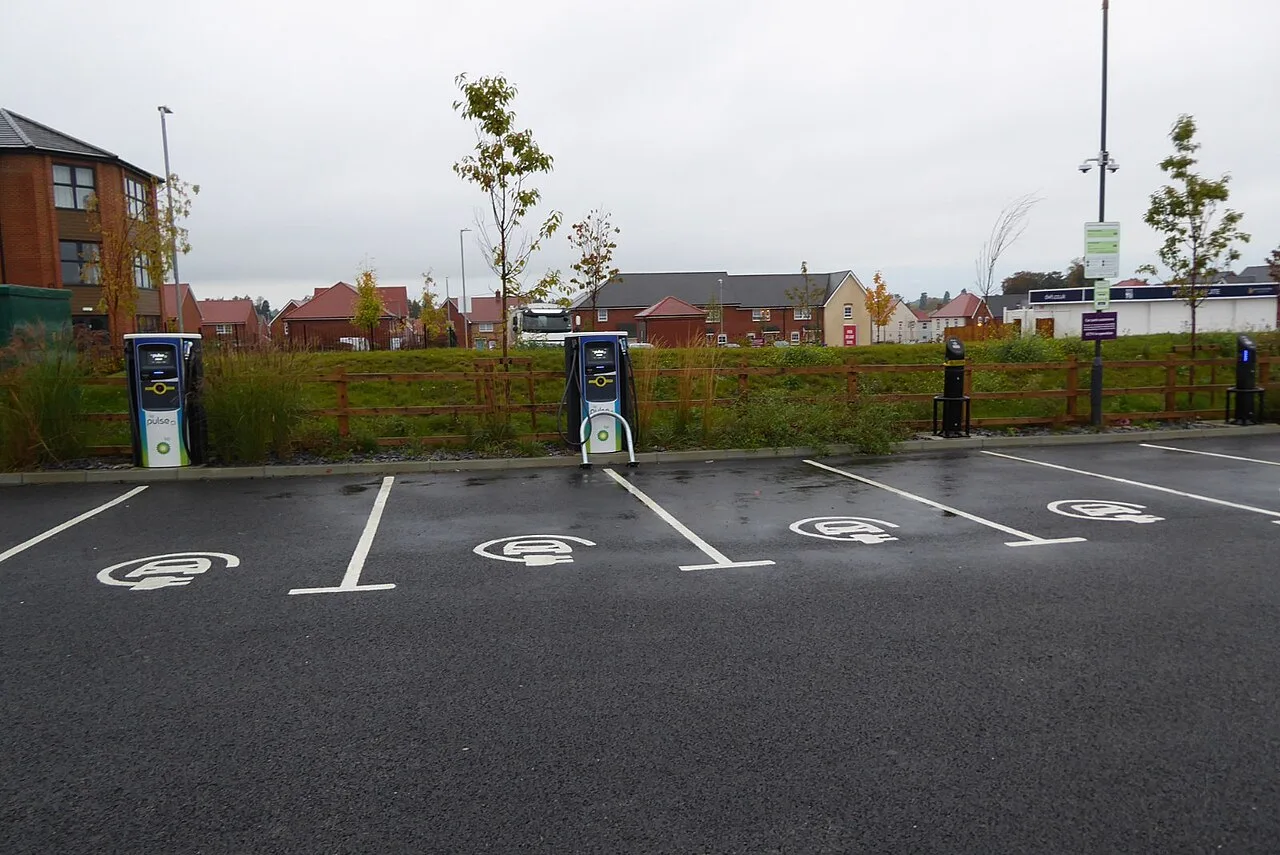
Britain's official climate advisers say loosening electric car sales rules would probably make the government miss its legally binding emissions goals. The warning lands while carmakers press hard for lower targets.
Carmakers want the bar lowered
For months the car industry has lobbied to cut the headline target of the zero emission vehicle (ZEV) mandate. Today it stands at 80% electric by 2030. Manufacturers want it as low as 50% or 60%, saying the rules put them under too much financial pressure. Mike Hawes, chief executive of the Society for Motor Manufacturers and Traders, rejected the advisers' analysis. He said it ignores the cost of the targets: billions in unsustainable discounts and millions more in government incentives. In his view the mandate deters local investment.
The mandate works through fines. Under the mandate, a manufacturer that sells too few electric cars is fined £12,000 per missing vehicle, and the required share rises every year. In the first 10 months of 2026 electric cars made up 26.6% of new car sales, against a headline target of 33%. Carmakers are expected to comply anyway through loopholes known as flexibilities.
What the Climate Change Committee warns
The Climate Change Committee (CCC) published its view in a letter. It says the UK is "likely to miss" its climate targets if the government confirms plans to allow more petrol and diesel cars and vans to be sold over the next four years. Those changes could add 8.4m tonnes of CO2 a year to UK emissions by next decade. The analysis also finds the UK is unlikely to meet its carbon budget for 2033 to 2037.
No other policy contributes more to reaching those goals than the electric vehicle rules. Ministers would therefore have to find other large cuts, or amend the carbon budgets so that more pollution is allowed. Several analysts said those savings will be hard to find, because petrol and diesel cars and vans produce so much of the UK's pollution.
The committee's chair, Nigel Topping, wrote to transport secretary Heidi Alexander to oppose any reduction. He said it would put the government's climate commitment at risk and forgo a cut in typical household costs of about £800 a year. It would also raise the UK's exposure to volatile oil markets by up to 15m barrels of oil a year in 2030. He added: "British drivers deserve better than a backtrack on such critical policy."
Carbon budgets and other strains
The Guardian has learned that one cabinet minister in the Keir Starmer government wanted to go back to parliament and replace the planned 2038-42 carbon reductions with a more conservative target. Most other ministers opposed it. An industry source said changing the carbon budgets was still under serious consideration ahead of the Cop31 climate conference, subject to parliamentary approval. The same source said it was unclear if the idea was still live. A government source strongly denied it.
MPs have already voted to approve the 2038-42 reductions.
Climate policy is under pressure elsewhere too. Ministers have just reduced funding for heat pump installations, which rank second among decarbonisation policies. Andy Burnham has also approved gas extraction from the Jackdaw gasfield and is weighing the Rosebank oilfield; both moves have alienated some Labour MPs.
A government spokesperson said ministers stay committed to ending new petrol and diesel car sales by 2030 and to all new cars and vans being zero emission by 2035. The consultation on the mandate, the spokesperson said, will not change that.
Doug Parr, chief scientist at Greenpeace UK, argued that the government cannot claim climate leadership abroad while reversing ZEV targets at home.
The policy could also meet resistance from the governments of Scotland, Wales and Northern Ireland, which each have their own carbon budgets.
Source: the Guardian