Gloucestershire Vineyard Pours 2026 Wine After Earliest Harvest
Three Choirs has released a young white wine after picking grapes a week earlier than its previous record. Its winemaker says the heat also brought difficulty.
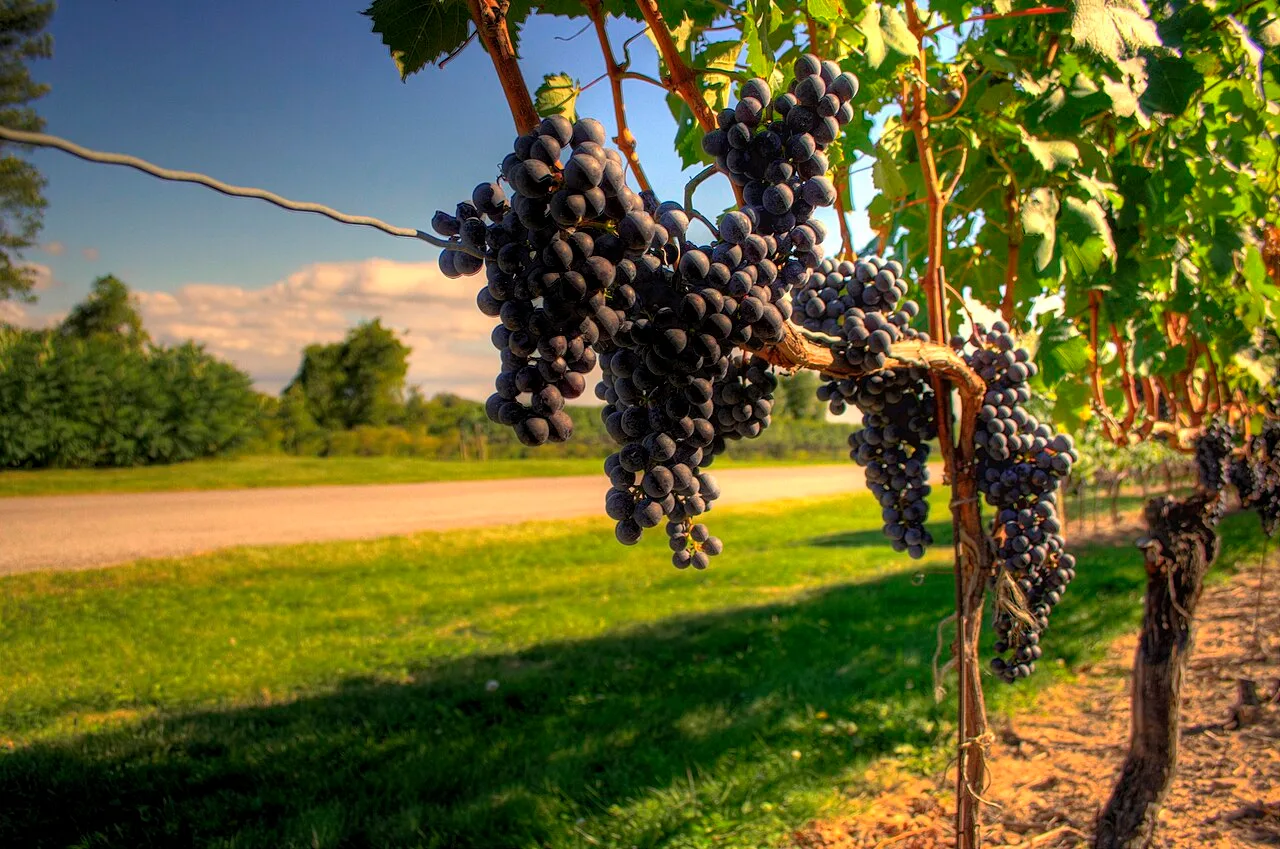
A Gloucestershire vineyard has bottled its 2026 vintage, a young white it jokingly pitches as the county's answer to beaujolais nouveau. The wine follows the earliest harvest Three Choirs has seen in 50 years of winemaking.
Picking began in August
A long warm summer, with rain at the right moments, set the pace. The first grapes at the Newent site came off the vines on 20 August. That beat the earlier record, from 2025, by a week. The last grapes were in on 9 October, a total of 200 tonnes from the vineyard's 30 hectares.
Back in the 1980s, picking did not start until mid-September, roughly a month after this year's start. Winemaking director Martin Fowke says the team now has an extra month in the winery and started with riper fruit. Higher sugar and lower acidity let them make a style that was not possible in Britain 30 years ago.
The First Release is a dry white from 5,000 bottles made of solaris, bacchus, siegerrebe and madeleine angevine grapes. It is on sale at the vineyard shop and in its restaurant.
France marks the third Thursday of November with beaujolais nouveau, a fruity young red. The custom began as a local one: workers and villagers got the first taste of the year's wine. Three Choirs, which planted its first vines in 1973, has bottled a young wine each November since the 1980s.
A fast-growing, still small industry
More than 1,100 vineyards are now registered in Britain, and vines have been planted as far north as Yorkshire and Scotland. Property group Knight Frank calls Britain the fastest-growing wine region in the world. Planted area has quadrupled since the turn of the century. By volume, Britain still ranks behind countries such as Uzbekistan and Tunisia.
Some newer, smaller vineyards have no winery of their own. Three Choirs makes wine for about 40 of them, including Llanerch, west of Cardiff.
In 2025 producers in England and Wales brought in their second-biggest crop, worth 16.5m bottles. Figures for 2026 are due only in early next year. In August the industry body WineGB said it was optimistic about size and quality.
Fowke says that if hot summers become the norm, Three Choirs could consider new varieties. Cabernet sauvignon, planted as in Bordeaux 50 years ago, would mean a move from white to red grapes. He adds that this is not what the vineyard set out to do. Pruning for the 2027 season has already begun. Two good years in a row is not unusual, he says, but three is.
Source: the Guardian