Model Puts Batteries Ahead of Hydrogen on Norway Bulk Routes
A cost model of two hypothetical Norwegian coastal routes finds hydrogen ships far costlier than diesel, with battery-electric vessels cheaper than subsidised hydrogen ones.
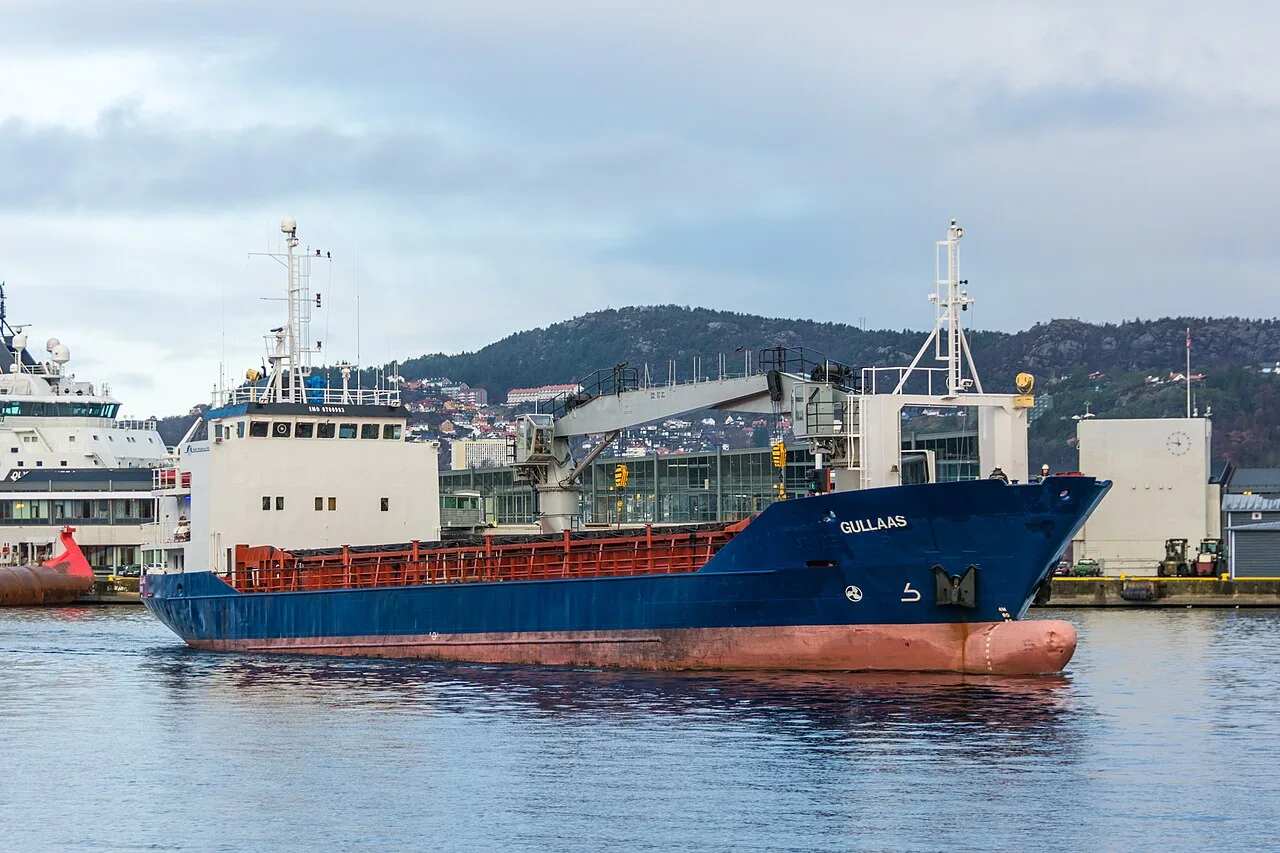
A Norwegian shipping company is building hydrogen-electric coastal bulk carriers with public money. An analyst's cost model says that on two short routes, battery-electric ships would come out cheaper than the subsidised hydrogen ones.
Hydrogen against diesel and batteries
The analyst tested two imagined coastal bulk services. Each uses a 3,000-tonne ship, and the routes run 80 and 55 nautical miles. Hull performance and operating needs were set at comparable levels for every propulsion type.
Across fifteen years, hydrogen cost 50-58% more than diesel. That held even with about €13.1 million in public vessel support assumed to arrive upfront. Battery-electric options were €11.64-14.13 million cheaper than the subsidised hydrogen vessels.
The figures are scenario results. They are not estimates of GMI's actual operating contracts.
Where batteries stumble
Batteries were not the cheapest choice under every assumption. Under the central assumptions diesel still came out a little cheaper than batteries across the fifteen years. What they offered was a far smaller gap to conventional operation than hydrogen showed.
Charging adds its own demands: adequate grid connections, charging equipment and time at the berth. None of these can be assumed at every Norwegian port. The model's vessel acquisition prices also remain an important uncertainty.
Why the hydrogen chain costs more
Hydrogen starts as renewable electricity. It is then compressed, stored and delivered to the vessel, where fuel cells turn it back into power. Each stage wastes some energy and adds equipment cost, which a better hull or sails cannot make up. The analyst sees this mattering most on short coastal voyages, where a practical charging arrangement may be possible.
GMI says its design could cut lifetime costs 9-10% against conventional ships, drawing on fuel cells, batteries, an efficient hull and wind assistance. The analyst replies that most of those features are not tied to hydrogen. A diesel or battery-electric ship can carry the same hull and sails, so the fuel systems need comparing on equal terms.
The ships and the subsidies
GMI Group plans four hydrogen-electric vessels. The first two, rated at 4,000 deadweight tonnes, are planned for 2027, and two 3,000-tonne ships are expected in 2029. PowerCell confirmed a further order in October 2026; with it the program totals 24 marine fuel-cell units and 5.4 MW of installed capacity.
Norsk Hydrogenforum reports Enova awards of roughly €42.9 million for the four vessels, and more public money has gone to GreenH hydrogen production projects. Announced grants may not arrive in full, and a subsidy only moves who pays: the ships still need their equipment and energy.
The analyst accepts that some coastal services could favour hydrogen, depending on voyage length, berth time or grid limits. Engineering and commercial comparisons would have to show that. A funded shipbuilding program does not.
The analyst's recommendation is that Norway gather credible battery-electric bids before backing more compressed-hydrogen coastal freight. Those bids should use vessel, charging and energy prices set for the dates the ships would enter service.
Our view
The result rests on one analyst's hypothetical routes, so it cannot show how GMI's own services would fare. GMI has not published its route and commercial data, which is what a direct comparison would need.
The bid comparison the analyst proposes would be the first real test of the claim.
Source: CleanTechnica