6th Circuit Backs DOL "Primary Duty" Test After Loper Bright
The 6th Circuit ruled against a former Cincinnati Bell IT worker seeking overtime and found the Labor Department's primary duty guidance sound after Loper Bright.
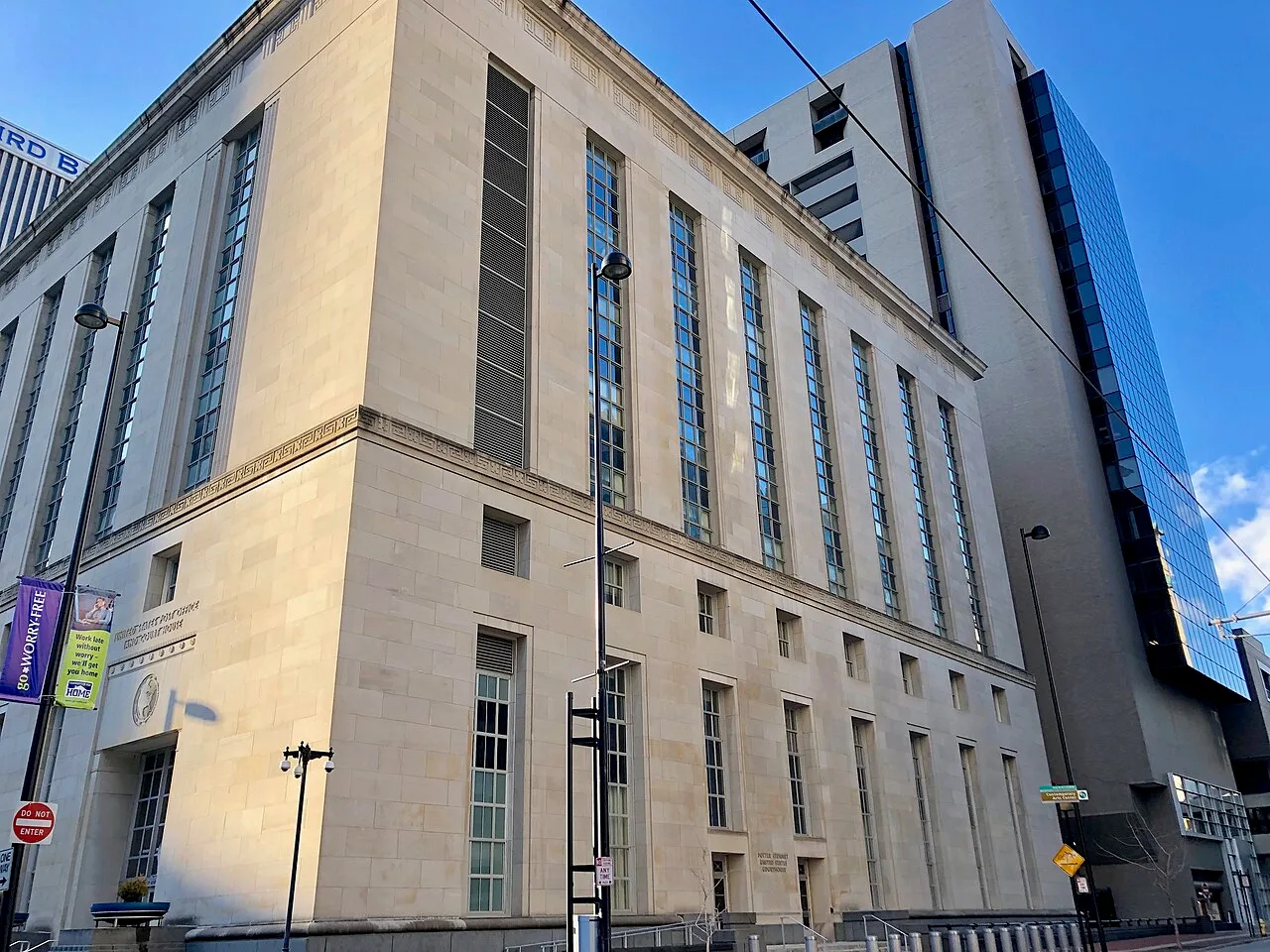
A federal appeals court has held that the Labor Department's reading of an employee's "primary duty" still applies after the Supreme Court ended Chevron deference in 2023. It is at least the second appeals-court ruling on the department's overtime guidance since that decision.
Two parts of the overtime test
The department's overtime exemption test looks at both job duties and salary. The 6th Circuit dealt with duties in Bennink. In a 2024 decision, the 5th Circuit ruled on the salary side.
That court upheld the department's consideration of salary in setting the scope of the exemption. It added that choosing a specific salary level might still be a problem if it clashed with the statute's structure.
Why the end of Chevron put the guidance in doubt
Under the Chevron doctrine, from the Supreme Court's 1984 decision in Chevron v. Natural Resources Defense Council, courts generally deferred to reasonable agency interpretations. Loper Bright replaced that with independent judgment by the courts, though the justices allowed that the executive branch's readings might still be useful to them.
The consequences for the department came quickly. On the very day Loper Bright was decided, a federal judge stopped an updated overtime rule that the Biden-era department had tried to put in place. Legal observers began asking how interpretations by agencies like the department would fare without Chevron. One attorney and former department administrator said the decision could lead courts to scrutinize closely much of the guidance it issued over several decades.
The IT worker's case
The case is Bennink v. Cincinnati Bell Telephone Co., LLC. On Thursday the 6th U.S. Circuit Court of Appeals found that a former IT employee at Cincinnati Bell had no claim to overtime, since his work fell under the "computer employee" exemption in the Fair Labor Standards Act.
The department's definition of a computer employee includes a list of primary duties, and several matched what the plaintiff did. The court reasoned that even where some of his work fell outside the exemption, the tasks that did fit were "central" to his initial hiring and workload. That supported an inference that they were his primary duties.
The plaintiff argued that he had never been formally trained in computer systems or programming. The court answered that neither the FLSA nor the department's guidance demands a specific degree, amount of experience or job title from a computer employee.
The court wrote that the department's primary duty guidance "gets it right" even after Loper Bright Enterprises v. Raimondo, in which the Supreme Court told federal courts to stop deferring to agencies on unclear statutes. In practice, it largely applied the department's interpretation of what counts as a primary duty.
Our View
Two appeals-court rulings do not settle the question for every part of the department's guidance. Still, the Bennink reasoning gives employers some confidence that duty-based exemption tests are not about to fall. Whether other circuits follow, or whether the salary-level questions reach a different outcome, would show how far that confidence can go.
Source: HR Dive