Small Firms Push Back as Influencers Demand Freebies
Owners of cafes, shoe brands and restaurants say entitled influencers cost them money and goodwill, and some now publish CCTV, ban filming or pick creators more carefully.
For small businesses, an influencer's post can bring a rush of customers. A growing number of owners say the same creators can also cost them money, time and reputation, and they have started to push back in public.
The cafe and the CCTV
Nicole Flanagin owns Brews and Mews, a cat cafe in Lenoir, North Carolina. One night in March a friend sent her a TikTok from a local influencer with more than 170,000 followers. The influencer said she had been turned away from an unnamed cafe with animals you can pet, after getting its visiting hours wrong.
In her telling, her daughter was crying and staff just stood and stared. Flanagin recognised her cafe straight away. Children aged six and under may visit only during set sessions, to protect the foster cats from sticky-fingered small visitors.
No complaint had reached her inbox, and no employee had flagged a problem. So she checked the security footage. It showed a conversation of less than 40 seconds at the till, a brief look at the cats in the window, and a quiet exit. There was little sign of a tantrum or a staring employee.
A day and a half later Flanagin posted the footage on the cafe's TikTok page. That video has more than 640,000 views. The influencer deleted her review and posted an apology video. Flanagin says she does not regret defending herself.
Not everyone sided with her. Locally, the community on Facebook backed the influencer, and critics argued that Flanagin should have kept it private or kept the influencer's children out of the footage. Her video is staying up.
What a free pair of shoes can cost
Lucy Herron, founder of the British brand Sloafer, credits influencers with catapulting her business. Influencers, she says, can help sell 50 pairs of shoes in 24 hours. But she once sent a £225 pair of ballerina trainers to a reality-show personality, and the woman said she could not thank the brand publicly because tax authorities might notice. HMRC counts gifted products as taxable income.
After months of back and forth the woman posted a photo in which she stood in darkness at the back of a room. Herron compared it to working with a ninja.
Restaurants, markets and a new rulebook
Hubert Zanier, who owns the Austrian restaurant and patisserie Kipferl in London, says hospitality owners hope for one viral post. In 2024 an influencer with 100,000 followers arrived with her partner, her parents and their dog. She ran up a bill of about £300, including two £38 bottles of red wine and nearly £40 of schnapps.
Months of dispute followed. Nine months later she offered to pay, then phoned him furious when the bill came. Zanier wrote it off. He still works with influencers but is far more selective about who he invites.
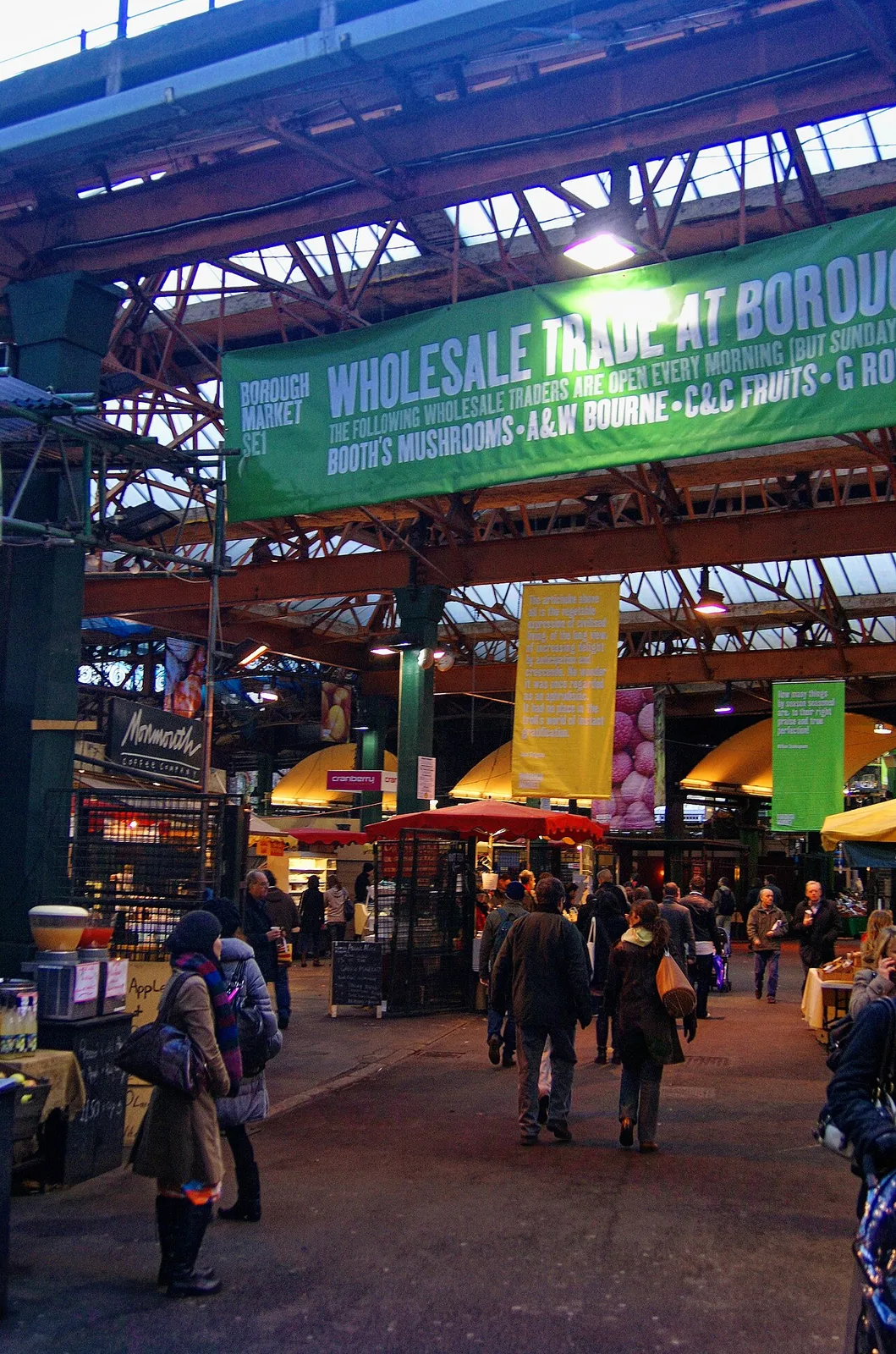
Some venues are tightening rules. Borough Market in London now requires clearance and a permit for anyone filming with more than two people or with professional-grade equipment. Some independent shops have banned influencers outright.
Josh Wheeler, founder of the PR agency Be Broadcast, has spent 15 years working with influencers. He says no type of influencer is more prone to bad behaviour than another. Campaigns can fall apart when a creator pulls out days before launch, he says, and businesses sometimes treat creators with kid gloves.
Wheeler advises businesses to spell out what they expect before approaching an influencer, and to agree in writing what they will get in return. That early stage, he says, is vital if the work is not to go wrong.
Forbes puts the influencer economy at $250bn and expects it to nearly double by 2027.
Source: the Guardian