ICEYE Offers $2.2 Billion for Rocket Maker Avio
Finnish radar-satellite company ICEYE wants to buy Italy's Avio, builder of the Vega C rocket, in an all-cash tender offer meant to give Europe an end-to-end space company.
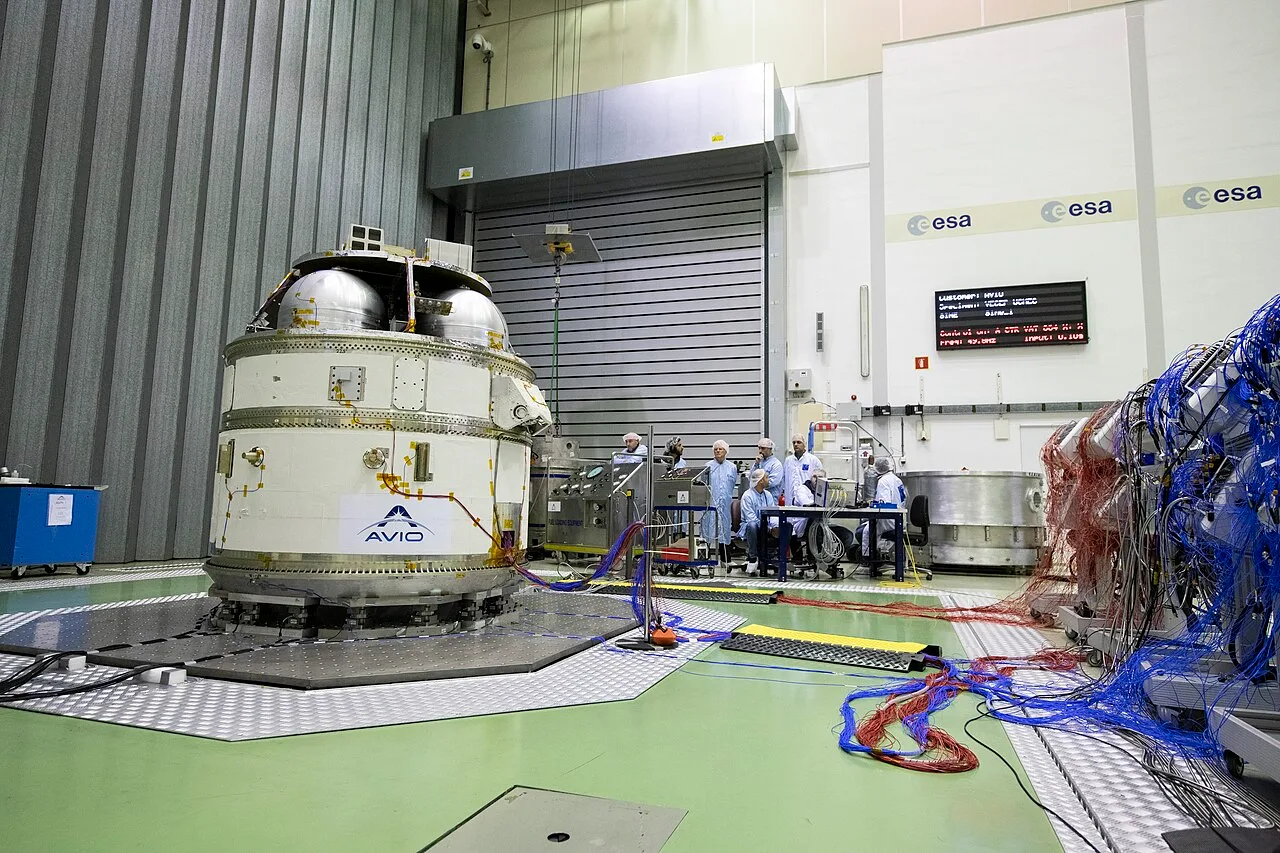
ICEYE, a Finnish maker of radar-imaging satellites, has offered more than $2.2 billion for Avio, the Italian company behind Europe's Vega C rocket. The goal is a single European firm that builds satellites and launches them.
The offer on the table
ICEYE announced the plan on Tuesday. It is an all-cash voluntary tender offer made through an Italian subsidiary to Avio's shareholders. The biggest of them is the Italian defense group Leonardo. Avio's board says it has taken note of the notice and is considering the offer.
Avio coordinates the European companies that make Vega C, and its stages are put together at the Avio plant near Rome. Vega C is a solid-fueled launcher rated for up to 3.3 metric tons to low-Earth orbit. It has flown successfully seven times in eight attempts since 2022. Avio recently took over marketing, sales and launch operations from Arianespace, so the whole Vega C business now sits with it.
ICEYE is described as Europe's most successful space startup, valued at more than $12 billion after a funding round in June. It has built and launched 84 radar satellites that image the ground at night and through cloud. Customers include Finland, Poland, Germany, Sweden, Portugal, Greece and the Netherlands, along with Ukraine, which uses the imagery for tracking Russian troop movements.
Why a satellite company wants a rocket
ICEYE says Europe needs sovereign space and defense capabilities. CEO Rafal Modrzewski said Avio has built the launch and propulsion capability Europe relies on. With ICEYE's long-term capital behind it, he said, the supply chain could be integrated, output could grow and the European programs that already depend on Avio could be strengthened.
The practical logic is about rides. ICEYE has put almost all its satellites into orbit on shared SpaceX Falcon 9 flights; only the first demo craft did not. SpaceX plans to phase those out after 2028. A rideshare slot for a satellite of ICEYE's size cost about $700,000. After potential savings from owning Avio, a Vega C launch might cost ICEYE two to three times that. A dedicated Vega C launch sells for roughly $55 million, a little below a Falcon 9.
Avio would gain investment for higher production. Vega rockets now fly fewer than three times a year. Vega C's biggest client is the European Space Agency. Most of the remaining flights on the books carry satellites for European national governments, and commercial orders are few.
A constellation that needs launches
Last month ICEYE announced a partnership with Nokia on a low-orbit constellation for European connectivity, mainly for defense and security. Ukraine's defense ministry announced a preliminary agreement to work with them. That came within days of Ukraine reporting fresh restrictions on the SpaceX broadband services Starlink and Starshield. The partners aim to launch 50 satellites a year from 2028. They have not disclosed throughput, latency or the total number of satellites. SpaceX operates more than 11,000 Starlink satellites today.
Avio and ESA are also funding Vega E, which swaps in a methane-fueled upper stage. Last year they signed a contract of nearly $50 million to start designing a smaller reusable upper stage.
Combining launch and satellites is not a new idea. Rocket Lab, which ranks second among US launch companies by flight count, moved into satellite manufacturing after its Electron rocket proved reliable. Almost every other US launch provider either works on satellites or in-space services or plans to; United Launch Alliance is the exception.
Other companies are also moving toward their own rockets. AST Space Mobile said last week it is developing a launcher, and Cowboy Space, which plans orbiting data centers, is doing the same. Neither has rocket experience, and both target first flights in 2028. The ICEYE and Avio combination, if it happens, would start with established production lines and backing from European governments.
Source: Ars Technica