Appeal Court Says Ransom Kidnapping Can Count as Exploitation
The Court of Appeal rejected the Home Office argument that being held for ransom is not exploitation under trafficking rules. Past rejected claims may now be reopened.
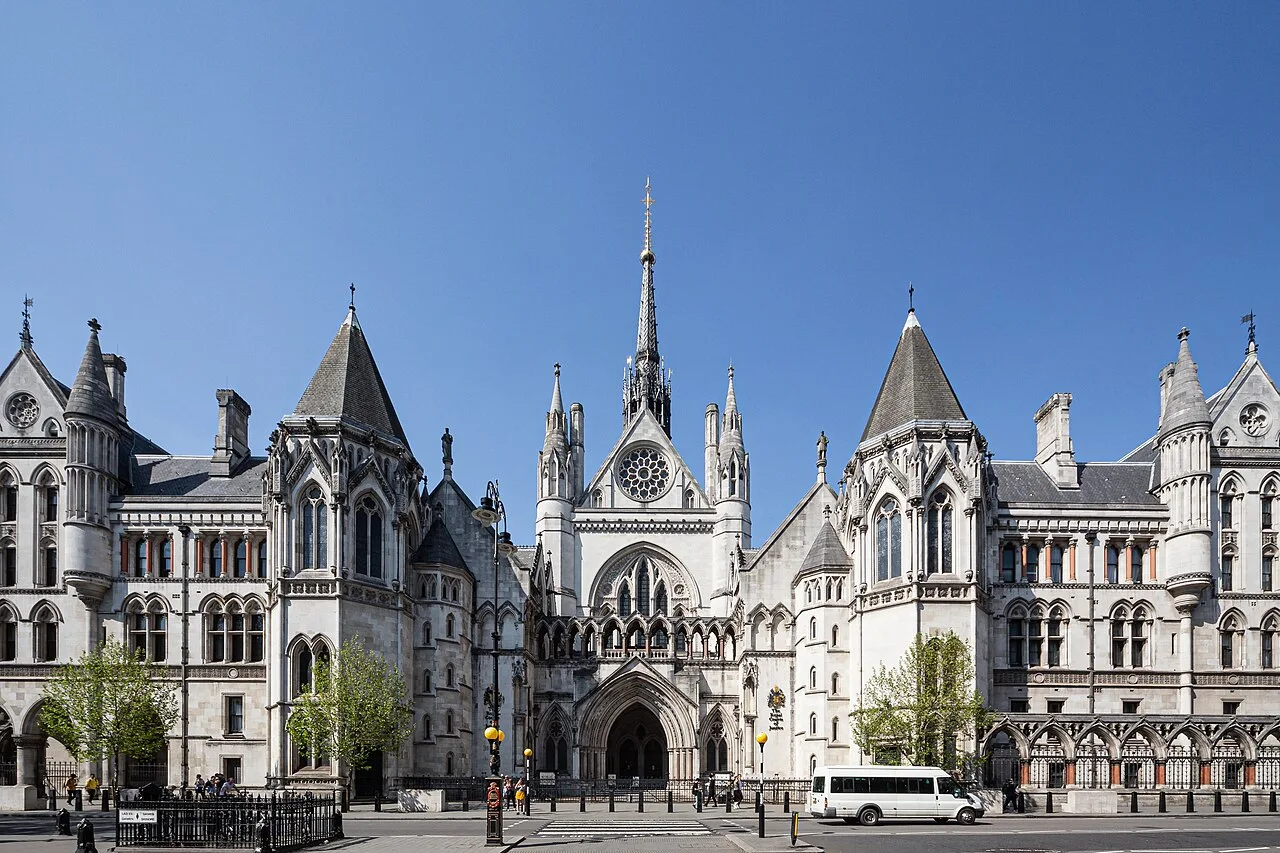
The Court of Appeal has ruled against the Home Office on a point that affects many asylum seekers. Being kidnapped for ransom can be exploitation under the rules on trafficking, and officials must now consider it.
The Home Office argument fails
The Home Office had argued that a kidnapping for ransom was not exploitation of a trafficking victim. The Court of Appeal rejected that. Officials had previously excluded many such people from being treated as victims. Their claims will now have to be considered, and they may qualify for the recovery and support package open to trafficking victims.
The judgment said: "The secretary of state erred in not considering the question of whether kidnapping amounted to exploitation." Each trafficking claim must still be judged on its own facts.
The Syrian man behind the case
The challenge was brought by a Syrian asylum seeker who cannot be identified. He is 25. He fled forced military conscription in July 2021, expecting to be imprisoned and tortured for refusing to fight.
In Libya, on his way toward the UK, he and other Syrians were seized by armed men. They were kept captive for a month, from August to September 2021. His money and phone were taken. The captives were driven through the desert for 24 hours with no food and little water, and were told they would be freed only if their families paid a ransom of several thousand dollars.
Tied up, he was beaten repeatedly on the hands and feet. The kidnappers beat the captives while they phoned relatives, so that their families could hear the screams. He feared his organs might be harvested. He was released after his family paid, crossed the Mediterranean to Italy, and reached the UK across the Channel on 16 May 2022, when he claimed asylum.
The Home Office rejected his trafficking claim on the grounds that his kidnappers had not subjected him to forced labour. The high court ruled in his favour. The home secretary, Shabana Mahmood, appealed.
Thousands of claims could be revisited
Asylum seekers crossing Libya toward Europe often face kidnapping for ransom. Many are fleeing conflict in places such as Sudan and Eritrea.
The ruling could help thousands of potential victims: people who arrive in future and people earlier turned down after being kidnapped and held for ransom in Libya. They can ask to be referred again to the national referral mechanism, which would then decide afresh if there is reason to see them as trafficking victims.
Freedom of information data show that 1,778 asylum seekers were confirmed as genuine trafficking victims between July 2024 and July 2025. Of them, 89% were forcibly removed from the UK, which puts them at risk of being trafficked again.
Jeremy Bloom, the Duncan Lewis solicitor who represented the man, called the judgment "a vindication of my client's claim to be a victim of trafficking." A Home Office spokesperson said the department was simplifying and strengthening protection and immigration routes. Home Office sources said it would not comment on legal proceedings.
Source: The Guardian