Appeals Court Narrows DOJ Demand for Journalists' LinkedIn Data
A three-judge panel told a lower court to cut back a Justice Department order for 18 months of LinkedIn records on journalists, and to reconsider the year-long gag on LinkedIn.
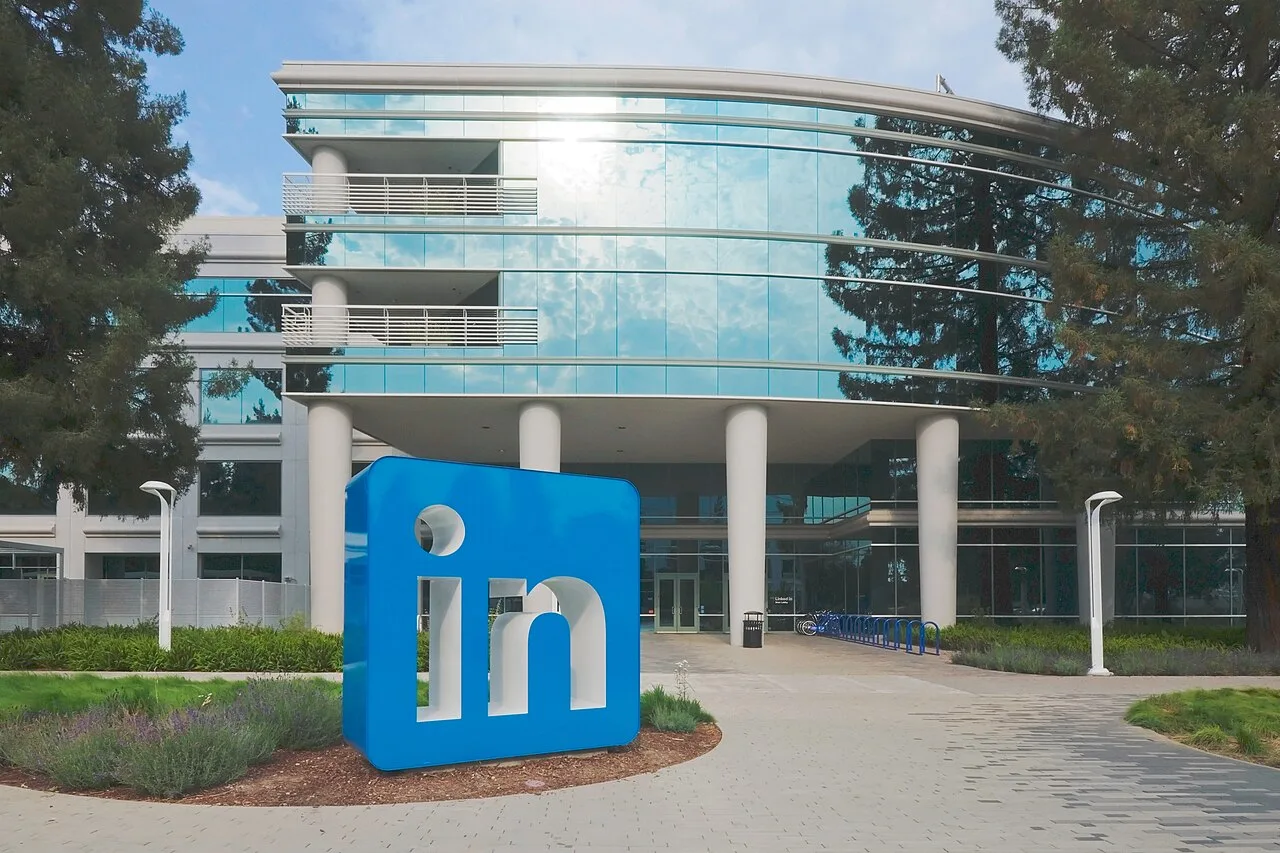
Journalists who had nothing to do with a leak inquiry cannot have their LinkedIn records swept up by the Justice Department, an appeals court ruled on Tuesday. The panel stopped short of killing the order and sent the case back so it can be cut down.
Kept in the dark for a year
Alongside the records demand, the government won a secrecy order that barred LinkedIn from telling anyone about it for a year. The judges ruled that this left journalists unaware for far too long that their First Amendment rights were at stake.
LinkedIn had offered a much smaller exception. It would have let the company notify one attorney of the outlet under investigation. The administration fought that, arguing the attorney might not be trustworthy or could tip others off. Judge J. Harvie Wilkinson III rejected those arguments.
The district court must now take up the exception. The government may explain why such narrow disclosure would damage its investigation. Wilkinson wrote that unless the answer is more persuasive than anything offered so far, LinkedIn's exception must be adopted.
Why the lower court was overruled
Wilkinson, nominated to the bench by Ronald Reagan, wrote the unanimous opinion for the three-judge panel. He declined to quash the order entirely. As written, he found, it posed a grave threat to press freedom, so the district court has to work out how to narrow it.
The lower court had reasoned that LinkedIn bore no burden because it could technically comply. Then it held that the balance favored the government anyway. The appeals court called that an error. It did not weigh LinkedIn's claims that the demand placed undue burdens on the company and endangered the First Amendment rights of users who would never learn that officials were reading their messages.
Wilkinson put the principle plainly: courts should not approve requests just because the records are logistically feasible to compile. Serious security and speech claims collide in this case, he said, and the law has room for both.
How wide the net was
The leak inquiry concerns a report that President Trump said revealed confidential military information from abroad. The outlet's name is withheld to protect national security secrets.
The DOJ did not limit its request to the reporters behind that story. It sought 18 months of communications from targeted journalists, who published more than 1,000 articles on many topics over that time. It also went after people who might have been connected to those journalists while the report was being prepared.
"Many of the users identified have no conceivable relationship to the leak investigation," Wilkinson wrote. Instead, he said, they work for media outlets, universities and law firms that may have mattered to other stories the journalists were pursuing.
LinkedIn argued that most journalists keep accounts there and post their contact details to invite sources to reach out. In the judges' view, giving the government wholesale access threatened more than the people named: it endangered a platform where reporters meet confidential sources.
LinkedIn, Microsoft and press groups
A Microsoft spokesperson, speaking to Ars Technica, called it an important ruling for privacy and press freedom. The spokesperson added that Microsoft, LinkedIn's owner, has consistently stood behind reporters who protect confidential sources.
Several civil rights groups backed LinkedIn in the case. Bruce D. Brown, president of the Reporters Committee for Freedom of the Press, called the ruling a win for every journalist, not only those who use LinkedIn. He said the court saw confidential sources as the "lifeblood" of investigative reporting.
A narrower order may still catch some irrelevant users in the hunt for the military leaker. It would nonetheless keep the government from reaching a broad range of journalists' exchanges with confidential sources. LinkedIn seems to think the government will struggle to justify such a sweeping request once the case returns to the lower court.
Source: Ars Technica