Australia Keeps Sydney and Melbourne Victoria Barracks Public
After a backlash, Canberra will not sell four heritage-listed defence sites. Dozens of others remain earmarked for sale to raise money and land for housing.
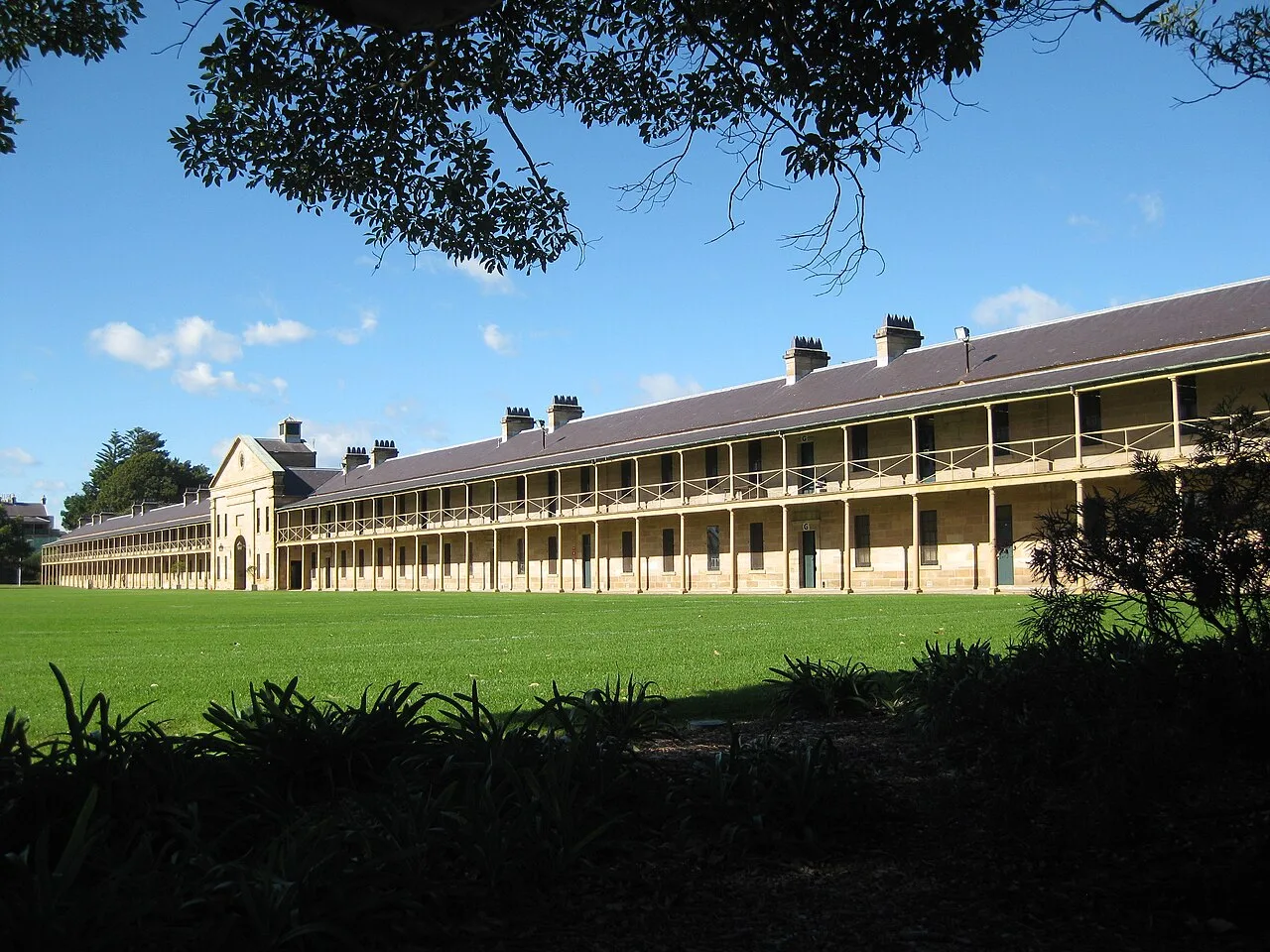
The Australian government has backed away from selling four heritage-listed defence sites, including Sydney’s Victoria Barracks. The sale plan had drawn strong criticism from veterans and former prime ministers.
Four sites stay public
The Albanese government announced on Sunday that four sites will remain publicly owned. They are Victoria Barracks in Sydney and in Melbourne, Fort Queenscliff and RAAF Base Point Cook, both in Victoria. Their historic elements will be preserved for community use once defence personnel have left.
Prime minister Anthony Albanese said parts of the sites could still be used commercially, in line with heritage laws, to help cover maintenance costs. The government will work with the Australian War Memorial to turn them into public spaces that tell the history of Australia’s military.
Victoria Barracks in Sydney went up between 1840 and 1848, first housing the British army. It was built with convict labour. It is also home to the city’s oldest wine cellar.
Why they were on the list
An independent audit, completed in 2023, found 67 defence sites were underutilised, unfit for purpose and costly to maintain. It said they were draining resources from higher-priority needs. The four heritage sites and 63 others were earmarked for sale to recoup $3bn in the federal budget.
The two Victoria Barracks sales were expected to raise $1.3bn because of their prime locations. Up to $2.4bn was expected from 26 major metropolitan sites, which would cut upkeep and security bills by roughly $3bn across a decade. Those include sites in Randwick, Sandringham, St Kilda, Petrie Terrace and Fremantle.
Canberra wants the freed land used for housing, aiming in the long term for 6,000 new dwellings. Defence expects personnel to vacate six sites by the end of the year and expects to have disposed of every site within two years.
Backlash and reaction
Critics included veterans, and former prime ministers John Howard and Paul Keating. Some of their political opponents voiced security concerns about the country’s largest city, citing the risk of foreign or terrorist attack.
Defence minister Richard Marles denied that defence would be undermined. He said the buildings were mostly used by office workers: “I don’t think there’s anyone who’s really seriously suggesting this facility is fundamental to the defence of Australia.”
The Returned & Services League president, Peter Tinley, called the decision a partial victory. He noted that Victoria Barracks Sydney houses the headquarters of forces command, and that reservists and cadets train there.
NSW opposition leader Kellie Sloane said: “Our military heritage and defence capability must come before a short-term cash grab.” Shadow defence minister James Paterson said the Coalition would keep fighting for other sites, including HMAS Penguin, Lancer Barracks and Irwin Barracks.
Two more sites, two different outcomes
Two other sites will be partly divested. HMAS Penguin on Sydney’s northern beaches, defence will keep part of it, and the Angophora Forest will pass to the Sydney Harbour Federation Trust. In the Northern Territory, the Stokes Hill fuel installation will go back to the Larrakia people, the traditional owners. Its southern portion is a registered sacred site protected under law.
The announcement came ahead of a Monday meeting of cabinet’s expenditure review committee, which sets budget decisions. The official interest rate had risen to 4.85%, an 18-year high, in a bid to curb persistent inflation.
Treasurer Jim Chalmers attributes inflation chiefly to dearer fuel, pushed up by the Middle East conflict, and says the government’s budget is not the cause.
Source: the Guardian