First Cold Health Alerts Issued as Arctic Air Hits the UK
Yellow cold health alerts cover the West Midlands and north west England from Thursday as overnight frost spreads and rural spots may reach minus 5C.
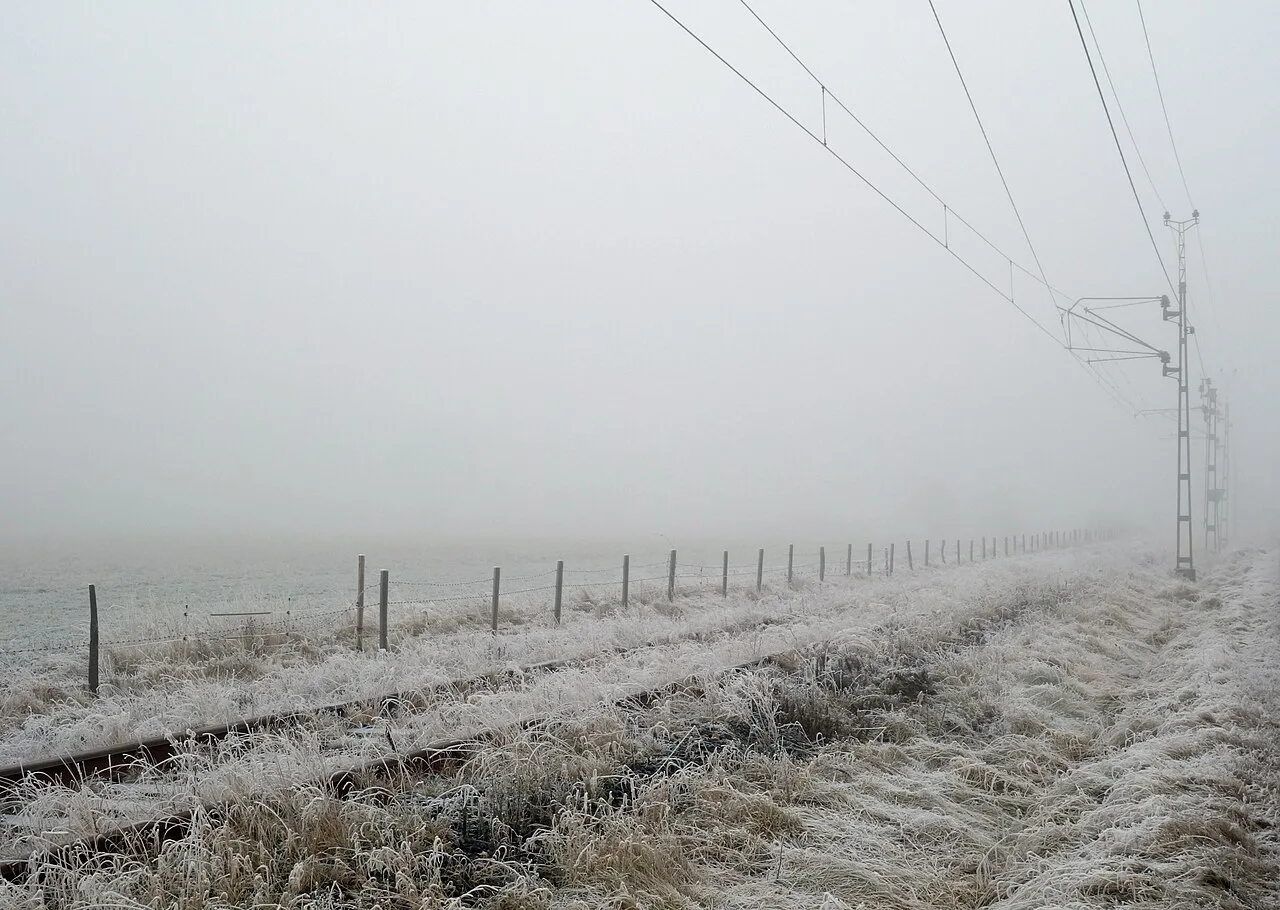
Arctic air is about to push across the UK, and the first cold health alerts of the season are already out for parts of England. The coldest nights bring the most widespread frost so far this autumn.
Wind and wintry showers in the north
By Wednesday night a northerly wind of up to gale force will build across northern and eastern Scotland, with gusts above 50mph. Sleet and snow are possible in Shetland, Orkney and northern Scotland. Snow may settle on higher ground, which the forecast describes as not unusual for early November.
Winds will also pick up along the North Sea coast as far south as Norfolk.
Alerts and who they are for
The UK Health Security Agency (UKHSA) has issued yellow alerts for the West Midlands and the north west of England. They start at 09:00 GMT on Thursday and end at 12:00 GMT on Saturday. Such alerts usually come between 1 November and 30 March.
The agency expects only minor strain on health and social care services, but says vulnerable people face a higher risk to life.
A cold start to the week
Wednesday opens brighter after days of thick fog, with crisp sunshine in many places. Southern Britain will see some rain and slightly milder air as a weather front passes, with highs of 10 to 14C. Late in the day the cloud clears ahead of the cold air moving south.
From midweek, many towns and cities will see sub-zero nights. Some rural spots could fall to minus 5C or lower.
Day by day to the weekend
Thursday stays windy in the far north but calm inland as a ridge of high pressure builds. On Thursday morning frost covers the north, while the south stays milder for now. Afternoons are mostly sunny with highs typically around 7C, though the northerly breeze will make it feel colder in places.
Thursday evening is clear and calm, so temperatures fall quickly. Friday brings frost on grass, pavements and cars from Scotland to southern England. Most towns and cities sit around zero or just below. In Scotland and even in southern England, rural areas fall as low as minus 5C. Western and south-western coastal counties escape the worst because the warmer sea and an onshore breeze keep frost from forming.
Once Friday's frost lifts, most inland areas stay cold, with afternoon highs of only 6 or 7C.
Frost will return on both weekend nights in parts of the south and east. Milder Atlantic air will already be spreading in by then, so for most people the cold snap is short.
Source: BBC Weather