Restoration Begins at New Forest Wildfire Site
Forestry England has started long-term work to help nature return to the New Forest land burned in August. Heather seed is being spread over the worst-hit areas.
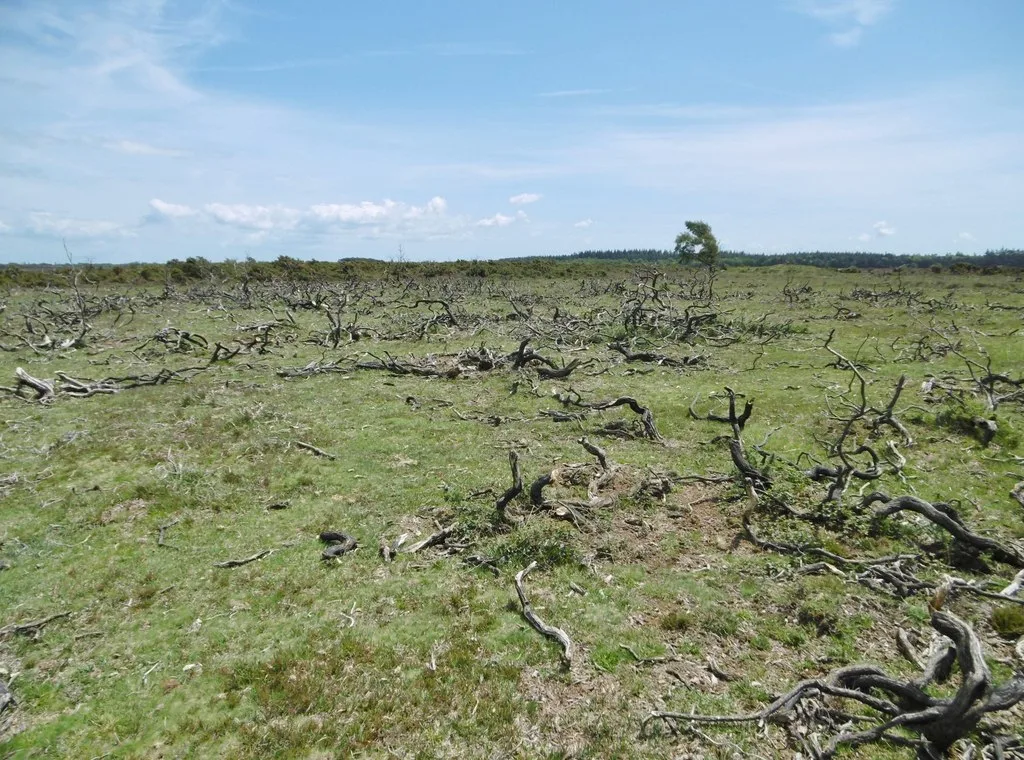
Forestry England has begun a long-term effort to bring back the part of the New Forest that burned in August. Its main tool is heather seed, a method it says worked after an earlier fire.
A method with a track record
Heather full of seed was taken from nearby parts of the forest and spread over the worst-hit ground. The idea is to form what the agency calls a "protective mat" that helps new plants take hold. Forestry England used the same technique after a wildfire in 1989 destroyed another part of the forest. It says that area is now thriving and fully restored, almost 40 years later.
The agency manages publicly owned forests in England. Specialist teams have also started protecting the most vulnerable areas before winter. Staff are working out how to protect the roots of ancient beech and oak trees that the fire damaged.
Where the fire did the most harm
A blaze that spread out from a van on fire on 9 August burned more than 1 sq km (247 acres). Rare heathland and an ancient woodland were damaged. In some boggy areas the fire burned off a surface layer of peat, and that reduces how much carbon those areas can store.
Forestry England says the fire cleared the plants from the heath's surface and then reached below ground, wiping out roots and seed banks. That matters for recovery, because a seed bank is where a heath would normally regrow from.
The fire also had costs outside the forest. At its height it shut the A31, which many tourists and commuters use between Hampshire and Dorset, for nearly two weeks. It fell in an exceptionally busy summer for Hampshire and Isle of Wight firefighters, and the fire service's cost is estimated at £600,000.
The bogs bounced back first
The boggy parts of the site were the least damaged. They acted as a barrier that helped slow the fire's spread across the forest, and they have recovered the quickest. Forestry England's Dave Morris said plants and wildlife are already returning there. He said it will take many decades for the whole burnt area to recover completely.
Morris said the scene just after the fire is something he will never forget. Large areas were charcoal, burnt soil and torched trees, and it was hard to imagine nature thriving there again. His staff got to work straight away, he said.
Source: BBC News