India and China Set Record Russian Oil Imports in 2026
War in Iran has pushed Indian and Chinese refiners toward Russian crude. Traders expect the buying to cool in 2027 once Gulf supply recovers.
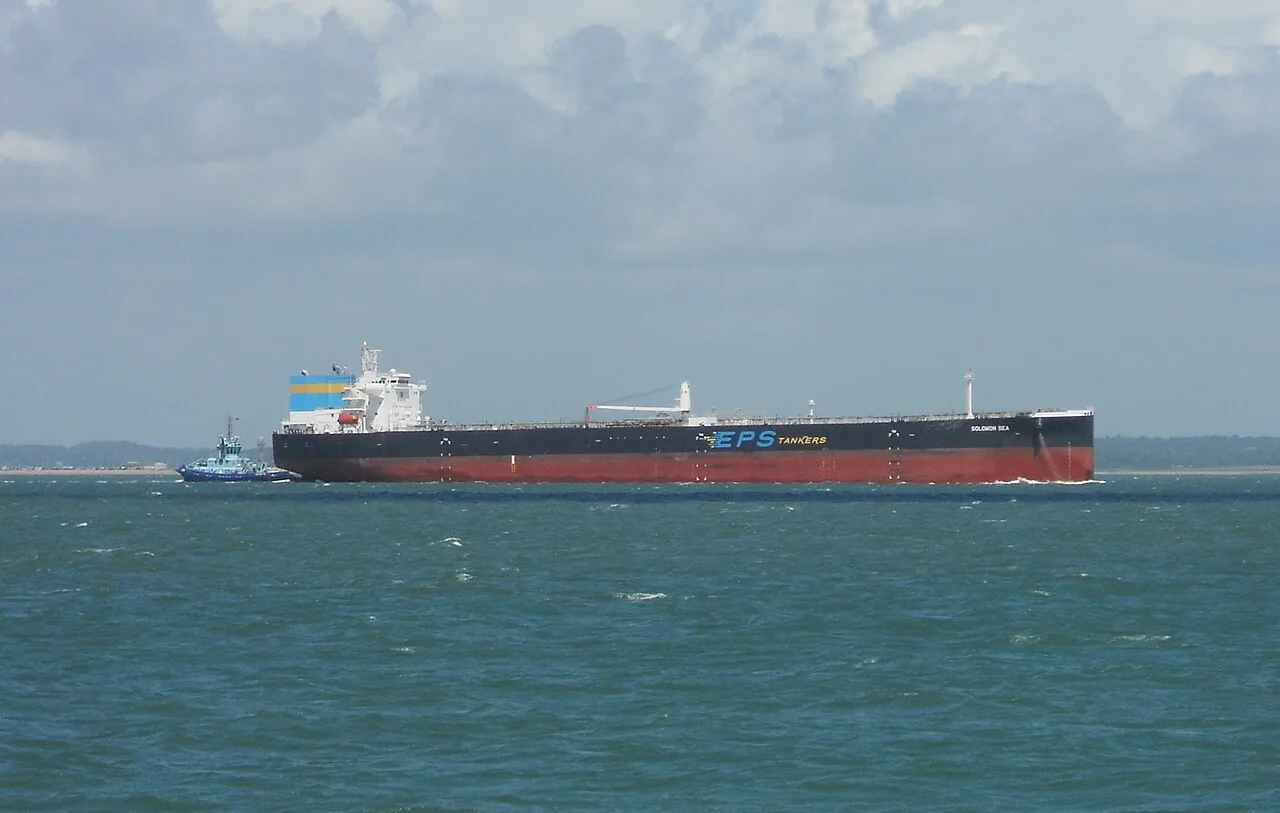
Russian crude is heading for a record year in its two biggest markets. Refiners in India and China leaned on it after the war in Iran unsettled Middle Eastern supply, and the numbers show how far the shift has gone.
China imports more Russian oil while buying less overall
Chinese customs data show Russian oil arriving at 2.34 million barrels a day from January to October, up 17%. The bill came to about $59.6 billion, close to a quarter of everything China imported in oil.
That growth looks odd next to the wider picture: China's total crude imports fell 15% in the same months. Russian supply took a bigger slice of a smaller pie. Muyu Xu, an analyst at Kpler, a tanker-tracking firm, links this to lower shipping risk and greater reliability.
India went from caution to heavy buying
Early in the year, Indian refiners held back because higher US tariffs were a possibility. Then the Gulf disruption changed their math.
Kpler data put India's Russian imports at 1.99 million barrels a day through early November, around 250,000 above a year before. Trade sources give a January to October average of 1.87 million, up about 10% and roughly 38% of the country's crude purchases. Refiners expect the year to close near 1.9 million.
What could change in 2027
Traders and analysts expect Russian demand to moderate next year. Two things will decide it: how fast Gulf supply comes back and whether Russian barrels keep their price edge.
Refiners' sources in India say purchases could fall back to pre-Iran-war levels as price takes a bigger role in each decision. China may go the same way if Russian grades keep trading at premiums rather than discounts.
For Moscow, that would be a tougher export market. It would compete more directly with Gulf and other producers, and its share would depend on price, availability and shipping costs.
How Russia benefits right now
Tanker data and industry sources show seaborne Russian flows to the two buyers averaging about 3.4 million barrels a day through mid-November. That is roughly 530,000 barrels a day more than a year earlier.
Ukrainian drone strikes have disrupted Russian refining, so more crude went to export. Brent has also gained nearly a third since the Iran war began.
Temporary US sanctions waivers helped by widening the pool of vessels and suppliers buyers could use. India and China together account for more than 80% of Russia's crude exports, by estimates cited in the report.
Russia's Ministry of Economic Development forecasts a 6% rise in total oil exports this year, to 244.7 million metric tonnes, or about 4.9 million barrels a day.
Source: Mint