Pacific Nations Voice Despair as COP31 Ends Without a Deal
The UN climate talks in Antalya closed with no final agreement for the first time since 2009. Pacific island states said they were let down, and in Australia the blame fell on its lead negotiator.
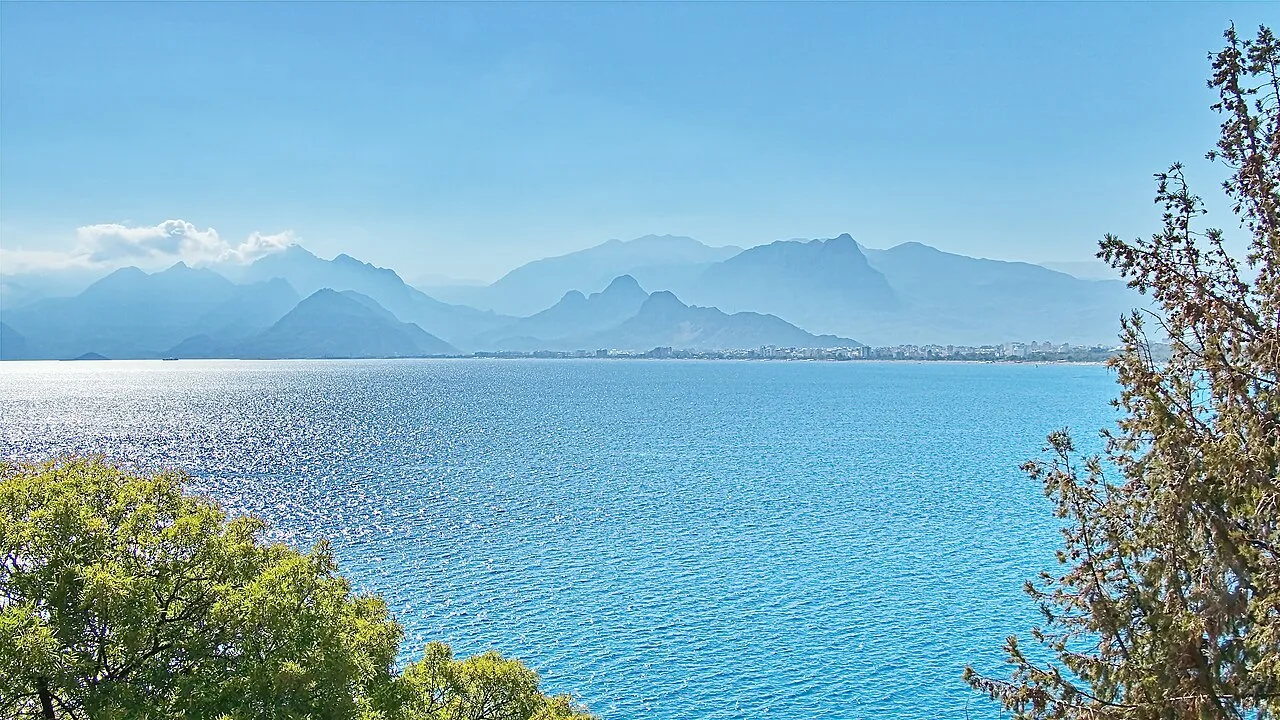
The COP31 climate conference in Antalya ended without a final agreement, the first time that has happened since Copenhagen in 2009. The countries most exposed to rising seas say they were let down.
A cover decision that never landed
The EU and other parties refused a closing deal that made no mention of the role of fossil fuels in global warming. The text had been shaped by pressure from Saudi Arabia and other oil-producing nations.
Chris Bowen, Australia's energy minister, was the president of negotiations. Turkey hosted the talks and shared leadership with Australia. Bowen had hoped for an overarching "cover decision" that would show countries were still united on the crisis. His plan came apart along familiar lines, with the EU and Saudi Arabia disagreeing over how fast to move away from coal, oil and gas.
Ireland, which holds the rotating EU presidency, would not back such a text. "And we will not accept a COP that greenwashes fossil fuel," said its climate minister, Darragh O'Brien.
Blame lands in Canberra
On Monday the finger-pointing began at home in Australia. Angus Taylor, who leads the right-wing opposition, said Bowen was responsible and should go. Other opposition members questioned Prime Minister Anthony Albanese about keeping Bowen in the job after Australia's A$150 million outlay on COP31.
Albanese gave no direct answer on whether Bowen would be asked to go. Bowen put the failure down to the hard red lines that many parties brought to the talks. He called the backdrop "the most complicated and fraught geopolitical environment in living memory", citing surging energy costs and the knock-on effects of the war in the Middle East.
The islands at the sharp end
Most Pacific island nations voiced deep disappointment. The Marshall Islands delegation said in a statement: "We have been let down on all sides."
Tuvalu, which hosted a pre-COP event in October to highlight its exposure to rising seas, criticised the lack of engagement and transparency in the effort to reach a final statement. Its climate minister, Maina Talia, expressed concern about the lack of commitment to put the world back on track for the temperature goal.
Record numbers, record overtime
The talks began on November 9 and ran into a record overtime on Sunday. Delegations came from more than 190 countries, and registrations passed 92,000, which on a preliminary count is a record for a UN climate conference. The United States sent no delegation.
It was also the first meeting since the UN's environmental body confirmed that global temperatures were set to exceed 1.5°C. The Belem talks in Brazil last year ended with a deal, but it contained no pledge to phase out fossil fuels.
UN Secretary-General Antonio Guterres, who is leaving office, said he shared the "very profound frustration" of those who expected more. China also voiced disappointment on Monday but said the shift to low-carbon development is irreversible.
Source: France 24