Fishers Who Took Wind-Farm Work Now See Shifts Shrink
A co-op of about 200 New England fishers earns a second income from offshore wind construction. Federal policy now threatens that work.
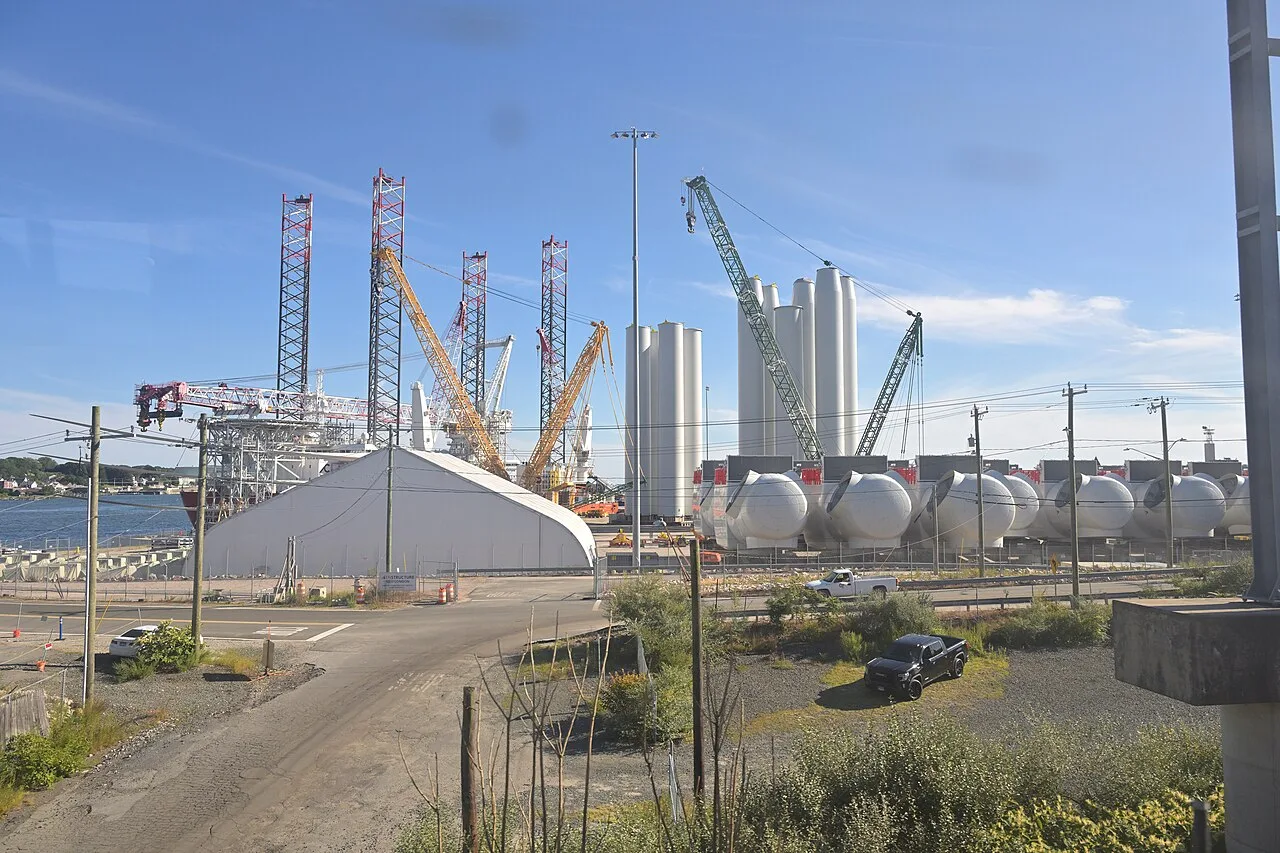
Scallop fishers in New Bedford, Massachusetts, found a second income in offshore wind construction. Now that work is drying up.
Fishing boats on a wind-farm watch
In September the scallop boat Pamela Ann docked after 12 days at sea. Over those days the crew noted any mammals they saw, made sure other vessels stayed clear of the construction zones and kept an eye on the workers at Revolution Wind, a 65-turbine project just south of Rhode Island.
The crew were working for Sea Services North America, a co-op of about 200 fishers funded by contracts with wind developers. It pays each boat $4,500 a day plus fuel. Captain Kevin Souza, who was sceptical at first, calls the work a "godsend".
Scallop boats are legally limited to 36 fishing days a year to prevent overfishing, which leaves owners hunting for other income. Captain Jack Morris, who owns a fleet that includes the Pamela Ann, says the co-op lets crews keep paying for groceries and insurance. Sea Services says it has paid vessel owners and fishers $34m so far.
A hard sell inside the industry
Many fishers see wind farms as an existential threat, and some have sued developers. They argue the projects could push them out of traditional fishing grounds. Fishing inside wind-lease zones is allowed; only the 500-metre areas around construction sites are closed.
Gary Yerman, 76, founded the co-op in 2020. He had fished for more than four decades and, like others, feared wind farms would hurt the industry. After a 2019 trip to Northern Ireland with lawyer Gordon Videll, he saw fishers benefiting from wind work. Back home they persuaded just one fisher to try it. More followed.
Policy now cuts against the model
Donald Trump has said he does not want any "windmills" built. In January 2025 he ordered a halt to five east-coast projects. Courts rejected that order and construction resumed.
The administration then moved to spend nearly $4bn buying back offshore wind leases from companies. Developers are now wary of putting forward new projects. Videll, now the co-op's CEO, says work is drying up.
Souza says he used to work 12 days on and three days off for the co-op. Now there are 10 days between shifts. He has sold his New Bedford home and bought one in Florida. He may look for work in the oil industry on the Gulf Coast. Revolution Wind installed its final turbine in September.
New Bedford is the nation's leading commercial port, generating $300m in revenue. The city is in deficit, and fewer people have jobs there than in neighbouring cities. Souza fears the loss of wind work will spread to bars, restaurants and housing.
Videll has thought about taking the model to Nova Scotia or Brazil. The co-op also helped install a cable bringing Canadian hydropower to New York City.
Source: the Guardian