UK Names First Special Representative for Climate Security
Madeleine Alessandri, who chairs the joint intelligence committee, will advise No 10 on climate-related security risks. Campaigners say the UK's record at home and on aid undercuts the message.
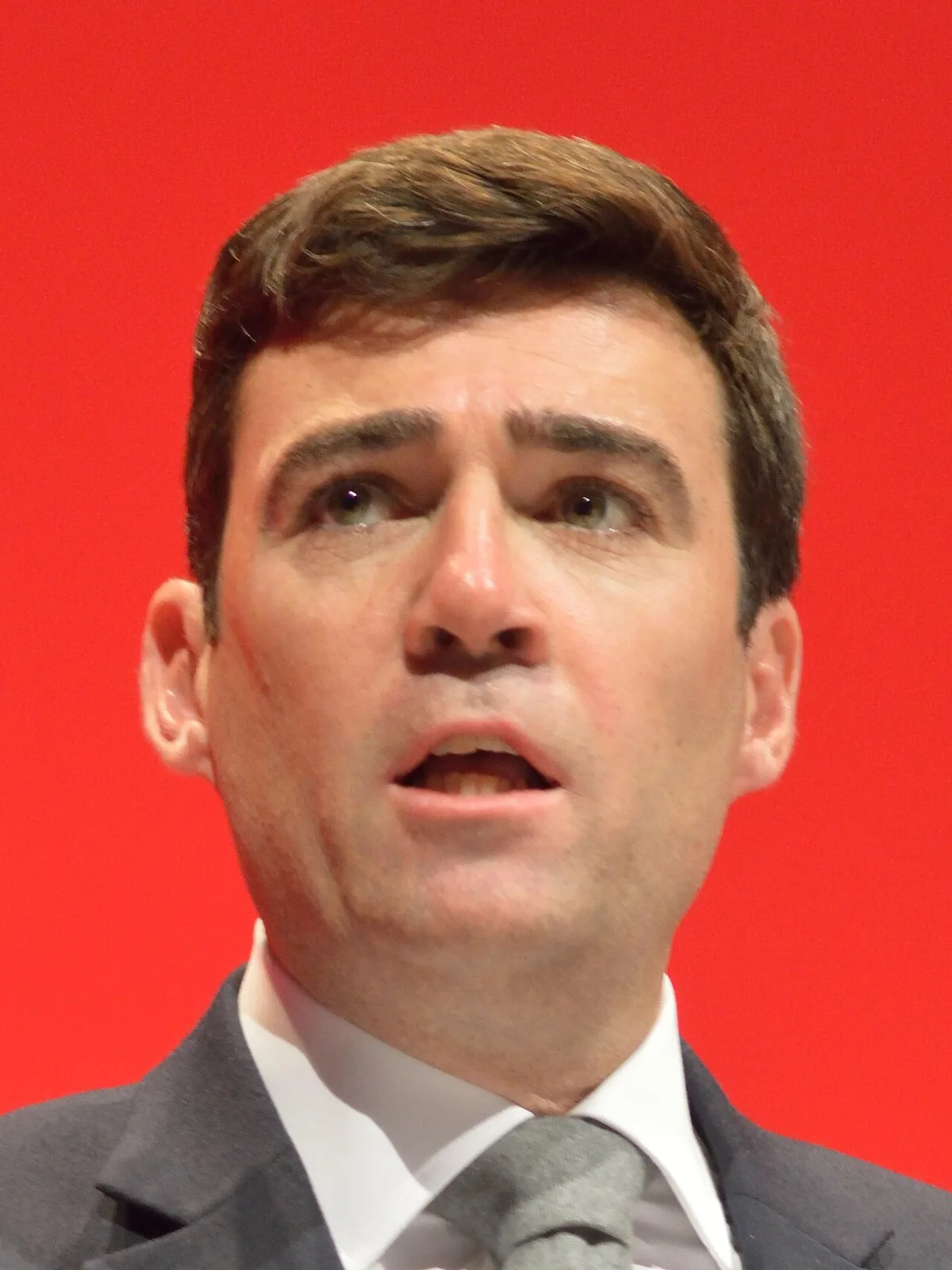
The UK has appointed what it describes as the world's first special representative for climate security. The post is meant to flag national security risks from the climate crisis before they turn into emergencies, and Prime Minister Andy Burnham is due to announce it at Cop31 on Thursday.
Who gets the job
Madeleine Alessandri, the former chair of the joint intelligence committee (JIC), will take the role. The JIC oversees MI5 and MI6. She will advise the government on climate-related security risks.
"Climate change and nature loss are increasingly shaping the security environment in which the UK operates," Alessandri said. She added that the best time to deal with these risks is before they become crises. She said she would team up with partners inside government and abroad to understand climate threats better and build resilience.
The report behind the post
Under Alessandri, the JIC worked on a secret report that warned the UK could begin to feel national security effects within five years from the collapse of ecosystems overseas. It cited climate change and overexploitation of the living world as drivers. The report listed food shortages, dearer food, mass migration and conflict between nuclear-armed countries.
It was held back under former prime minister Keir Starmer. The Guardian first disclosed what it said last year, and a redacted version followed earlier this year. Foreign Secretary Ed Miliband has been briefing foreign capitals on its findings.
Miliband is also at Cop31 this week. He named climate breakdown among the gravest national security threats facing the country, pointing to food security, infrastructure and population movements. He described national security as the next frontier of climate action.
What Burnham will say
Burnham will tell the talks in Antalya, Turkey, that the summer was not normal. It was the UK's hottest on record, with back-to-back heatwaves that strained health services and transport, closed schools and cut short the lives of thousands of people.
He will say Britain is still committed to net zero by 2050. He will also say the consensus on science and climate action has broken down. The UK will back a proposed target of 35% electrification by 2035 and support efforts to mobilise £5bn of private money for clean energy projects around the world. The talks are presided over jointly by Turkey and Australia.
Campaigners see double standards
Campaigners pointed to what they called failures at home. The government is considering a major weakening of electric vehicle targets. It has approved the Jackdaw gasfield in the North Sea and is weighing the Rosebank oilfield west of Shetland.
Mohamed Adow, director of the Power Shift Africa thinktank, called this double standards. Britain cannot preach clean development and expand fossil fuels at home, he said. Asad Rehman, chief executive of Friends of the Earth England, Wales and Northern Ireland, said the UK's credibility was "crumbling."
Like other rich countries, the UK has scaled back climate aid and put the money into defence. In July, Burnham led a promise to cap bus fares at a lower level, financed by converting overseas climate grants into loans that must be repaid. Prakash Dahal of Pro Public and Friends of the Earth Nepal said such funding must come as grants, not loans, citing the flash flood that hit Nepal in August.
Source: the Guardian