Two-Thirds of UK Immigration Enforcement Visits End Without Arrest
Freedom of information figures show 66.1% of immigration enforcement engagements in 2025 led to no arrest, and only about a quarter of premises visits used a warrant. The Home Office disputes the criticism.
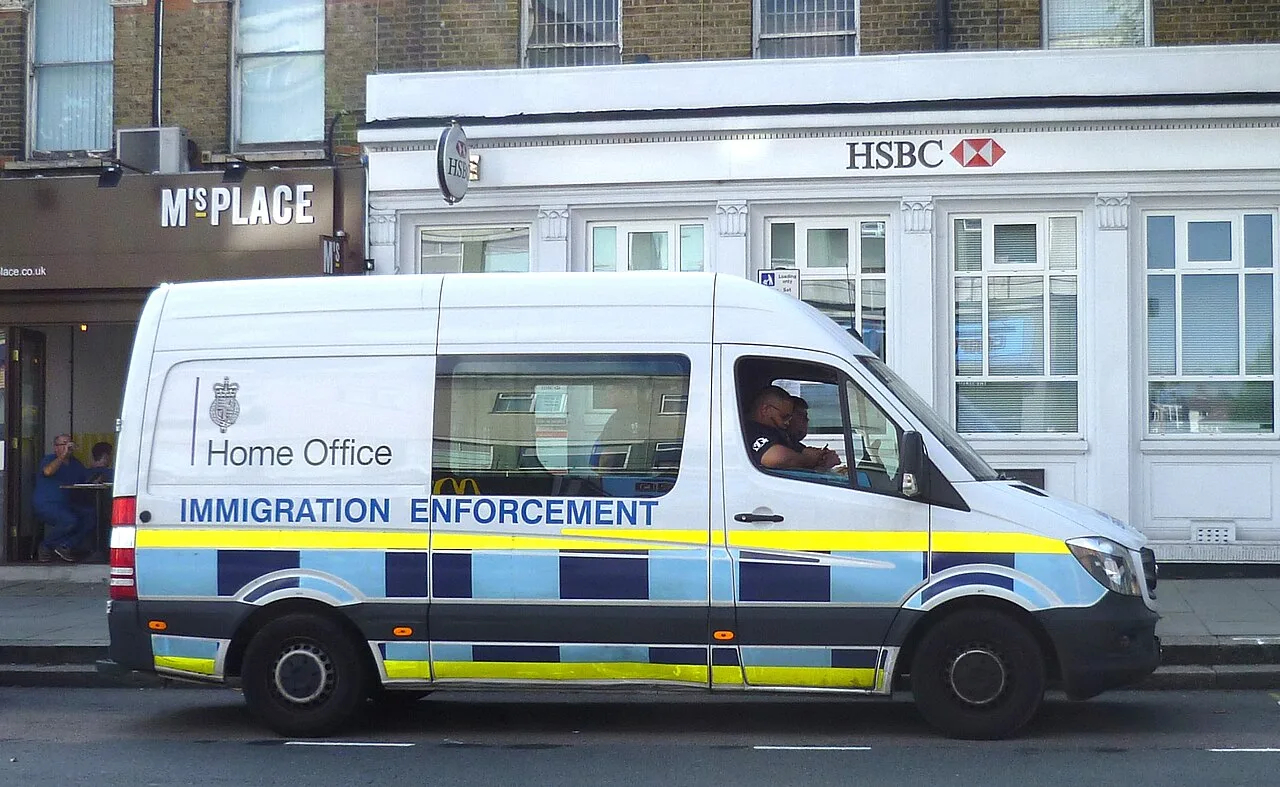
Almost two-thirds of immigration enforcement visits in the UK last year ended with nobody arrested, and about three-quarters took place without a warrant. Critics say the figures, released under freedom of information rules, point to "fishing expeditions."
How officers get in without a warrant
Without a warrant, officers can use other powers. Section 179 of the Licensing Act 2003 lets them enter licensed premises, meaning any business that sells alcohol or serves late-night hot food.
In most cases, more than 12,000 last year, they simply ask the tenant, manager or owner for consent. They are supposed to say that consent can be withdrawn at any time.
Once inside, officers may question people about their status and ask for identity documents. Holding someone should rest on reasonable suspicion of an immigration offence.
Critics speak up
Kevin Barker, a former immigration officer who now helps businesses wrongly accused of employing people without the right to work, says raids are often fishing expeditions built on tenuous tip-offs. He says a warrant cannot be sought on old or uncorroborated anonymous allegations, "but it doesn't stop them."
Mothin Ali, deputy leader of the Green party, called the findings alarming and urged the government to end what he called unjustified raids.
Warrants, tip-offs and visits with no arrest
There were 23,538 enforcement engagements in 2025, a mix of workplace raids, home raids and spot checks. That is about 60 a day. In 15,578 of them, or 66.1%, nobody was arrested.
A warrant was used in only 25.81% of visits where officers got into the premises. Critics say this suggests the Home Office acts on weak intelligence. Of the leads alleging "immigration crime" that year, 89% came from the public or Crimestoppers, which handles anonymous tip-offs. About 2% came from the police.
The Home Office disputes the claim. It says intelligence is thoroughly examined before any raid. The figures emerged after inquiries by the Bureau of Investigative Journalism and the Guardian.
Sultanz, in Camborne
Immigration officers pulled up in unmarked vans at Sultanz, an Indian restaurant in Camborne, Cornwall, while customers were taking their seats. Owner Samsu Ali says the raid felt like an invasion of a business he has built up over six years. He says the officers had no warrant and asked every worker for details.
Nanu Mia, a Bangladeshi employee packing takeaway meals, was handcuffed, arrested and walked to a van. He was released after his sister brought his ID card to prove he could work.
The restaurant was cleared of any immigration breach. Ali says customer numbers have still fallen steeply since the raid. A question about it in a local Facebook group drew racist and threatening comments, which left him struggling to sleep.
The home secretary's line
Home Secretary Shabana Mahmood has praised the wider use of enforcement teams and says they will make the country's borders safer because migrants lose a main reason to come irregularly. Raids under her leadership have targeted nail bars, car washes, barbers, takeaways, construction sites, warehouses and homes. Videos posted on TikTok show people arrested for working without authorisation being tackled and put in the back of vans.
Arrests of people working illegally have doubled under the Labour government. In August the Home Office put the total at more than 17,000 since July 2024, up 122% on the previous two years.
A spokesperson said enforcement is at its highest level in British history, with raids up 111%. Opposition parties argue that chances to work illegally pull migrants towards crossing the Channel in small boats.
Source: The Guardian