Burnham Says a "Win-Win" EU Deal Is Possible Before Next Week's Summit
The prime minister says a good deal with Brussels can be done, but tuition fees for EU students remain a sticking point ahead of next week's UK-EU summit.
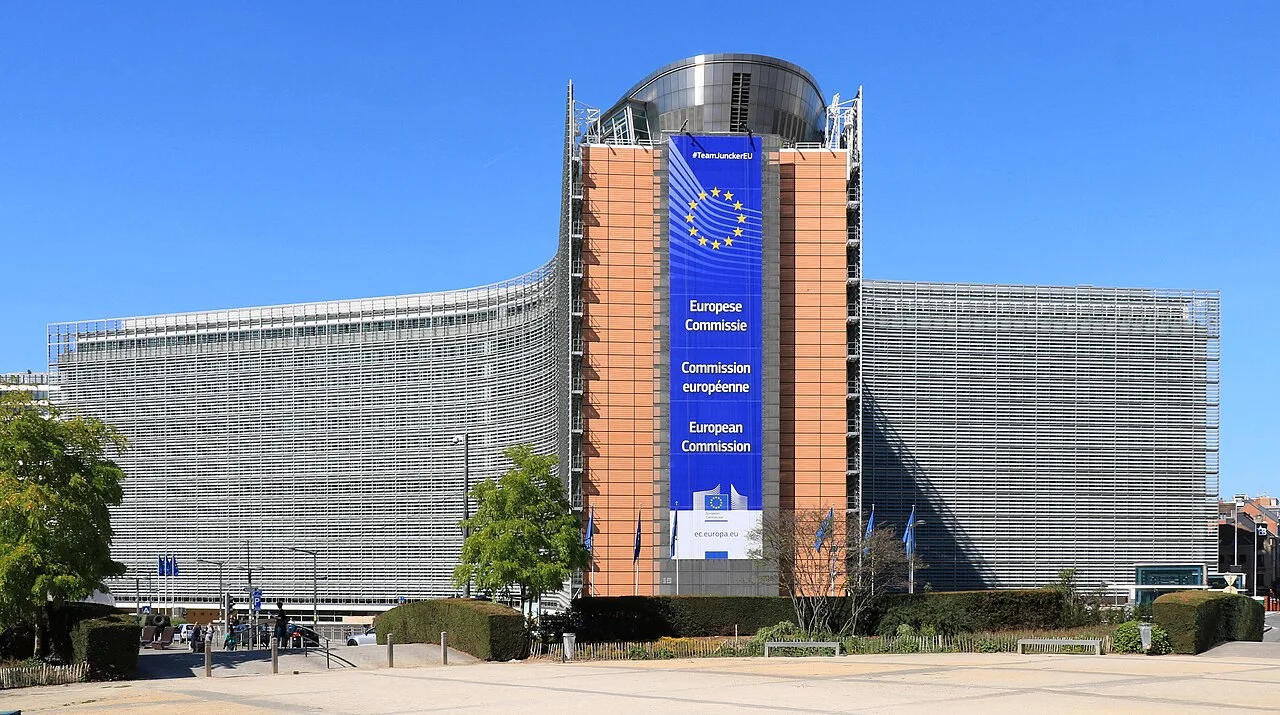
At the European Political Community summit in Dublin, a week before the UK-EU summit, Prime Minister Andy Burnham said a "win-win" deal is within reach, one closer to what voters expected from Brexit in 2016. Talks are not finished, and a dispute over tuition fees for European students could hold up the biggest items.
Fees, food and carbon trading
The two sides hope to sign deals on food and drink, emissions trading and a youth mobility scheme at the bilateral summit. Tuition fees for European students remain a stumbling block. The EU says its food and drink and emissions-trading agreements may not come into force unless a fee deal lets European students pay domestic rates.
Burnham called it a package but would not say whether he accepts the link. Earlier he put the gain from the food and drink deal, which cuts Brexit red tape, at 0.4% of British GDP.
The Made in Europe problem
Access to the legislation known as Made in Europe will be key. If no deal is struck on it, British firms could lose access to continental supply chains and public tenders. The EU has long said no deal on it can come at this summit, because it has not settled its own position.
The Guardian reports a possible British concession on tuition fees in exchange for inclusion in Made in Europe. Negotiations could still be hard despite that lure.
Border security and migration
Officials will also talk through what the next round of the reset should cover. A joint migration pact is expected to lead the list, followed by cooperation on policing and borders, visas for touring artists and recognising each other's qualifications.
Britain is thought to want access to Eurodac, the fingerprint database of asylum seekers, and to the Schengen Information System, which holds records on fugitives, missing people and stolen goods. Britain was the third biggest user of the latter before Brexit cut its access.
Ministry of Justice officials are also working to soften an EU ultimatum to stop deporting foreign national offenders. One Whitehall source called it the classic wheeze the EU pulls at the last minute of negotiations.
Burnham against Cameron, and Kallas on rejoining
David Cameron told Bloomberg News that Burnham should not seek to take Britain back into the EU, and that the country's problems have nothing to do with leaving. Burnham called him wrong and said the evidence points the other way. He added that Cameron's remarks looked more about unity in the Conservative party than British interests.
Burnham has lately said he would consider rejoining the single market or the customs union, or even the EU itself. Any such step, he said, would be a cabinet decision after future negotiations. Earlier on Thursday, the EU foreign policy chief, Kaja Kallas, said she would like to see Britain back in Europe, though talks would be hard given what she called the "trauma" of Brexit.
On Monday, Burnham is due to give a white-tie speech at the lord mayor's banquet, and the EU reset is expected to be its centrepiece. No 10 sources say it will focus on the Brussels summit and look ahead to a next stage in 2027, without describing a permanent relationship.
Source: the Guardian