Police Receive More Allegations Against Russell Brand
The Met says several people have come forward since the comedian's trial began, while the court's treatment of his accusers draws criticism.
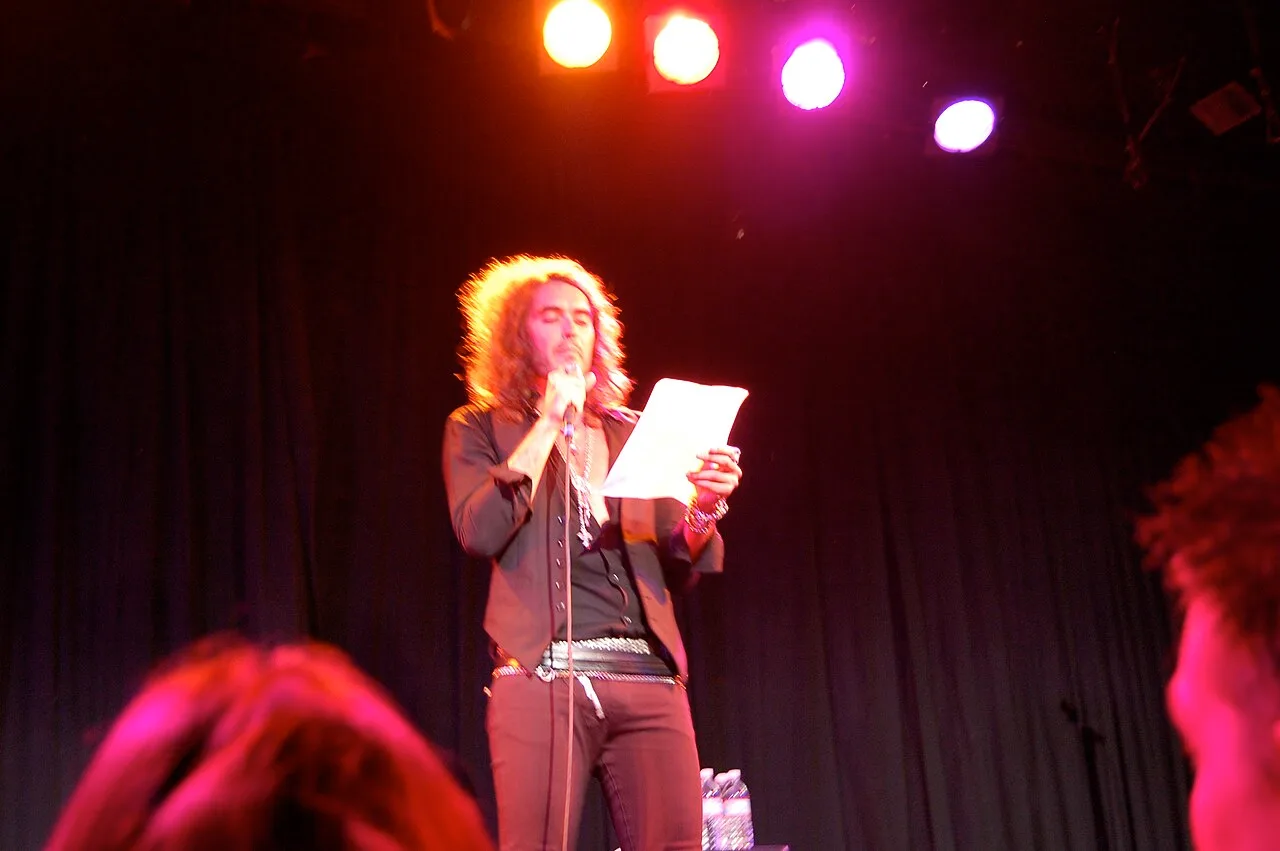
Police are assessing new criminal allegations against Russell Brand. They arrived after his trial began and, the Metropolitan police say, kept coming after it ended.
What the Met says
A spokesperson said several people had been in touch with the investigation team during and since the trial, either to share information or to flag a potential offence. Detectives are working through it within their continuing inquiries.
Brand, 51, was jailed for ten and a half years on Monday. His convictions cover the rape of one woman and the sexual assault of three more. Those assaults included incidents at the women's workplaces.
How the accusers were questioned
The judge, Mr Justice Bennathan, praised the bravery of the women whose evidence led to the conviction. He also said they had suffered extra distress because of conduct in court that he said was carried out on Brand's instructions.
Criticism has focused on the cross-examination by Brand's lawyer, Ian Winter KC. Winter suggested Brand must be innocent because none of the women had "resisted or screamed or even tried to leave." He also described the rape of a 21-year-old woman as a brief failure to respect her consent.
Lucy Powell, Labour's deputy leader and the education secretary, called reading parts of it "depressing." She said she had thought the courts had long gone past that culture. She added that the government had changed guidance to challenge rape myths and victim-blaming in court, but that far more is needed.
Politics and the BBC look back
Powell said she regretted a 2015 interview Ed Miliband gave Brand, which she helped arrange as Labour's campaign chief. Brand had by then quit his BBC Radio 2 show over lewd messages left on Andrew Sachs' answerphone. Powell said she had not grasped the full extent of his sexual conduct already in the public domain, such as in his autobiography.
At the BBC, director general Matt Brittin wrote to staff that concerns about workplace culture should reach the top of the organisation. That followed criticism that Brand's behaviour was not properly challenged while he presented on BBC 6 Music and Radio 2 in 2006 and 2007.
The BBC put out a review in 2025. It concluded that Brand's status and power left some staff feeling unable to speak out. The corporation has apologised again this week. Brittin said he was looking at changes that could be made at once and others through the next BBC charter.
Source: The Guardian