Toyota Aims to Sell New Combustion Engines to Other Carmakers
Toyota is developing a new engine family and plans to sell engines and hybrid powertrains to other automakers, Automotive News reports.
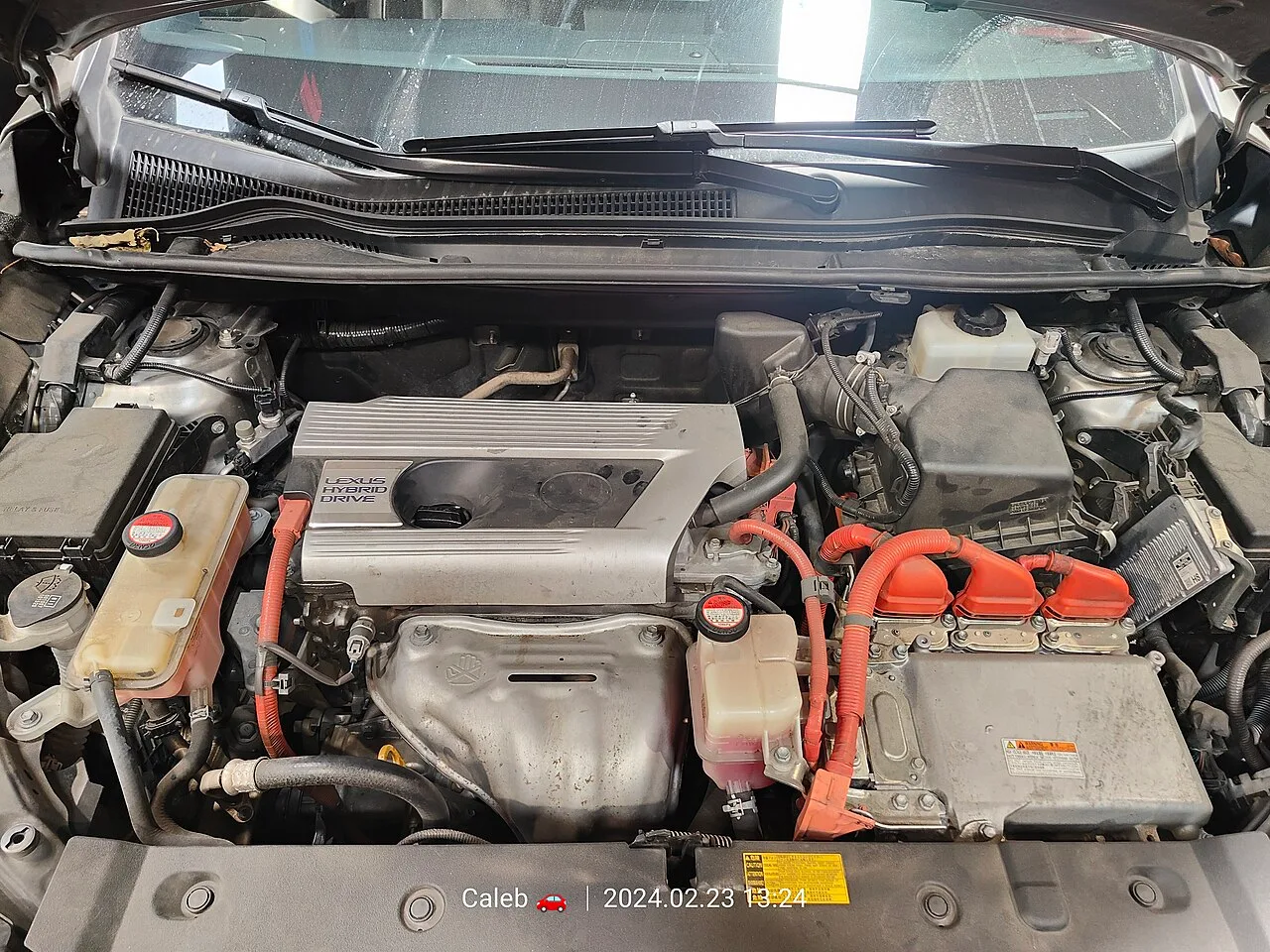
Toyota wants to sell its next generation of combustion engines to other automakers. According to Automotive News, the company expects to bring in about €1.5 billion ($1.7 billion) a year from external powertrain sales by 2032.
The target for this year is €500 million ($562 million) in orders. Deliveries of the next-generation engines and hybrid powertrains are expected to begin as early as 2027.
Who could buy them
Toyota has not named potential customers. It has close ties with several Japanese brands, though. Daihatsu is a wholly owned subsidiary, Toyota holds 21.5 percent of Subaru's voting rights and it owns a 5.1 percent stake in Mazda. Together the group's partners build roughly 16 million vehicles a year, and more than half of them carry Toyota, Lexus or Daihatsu badges.
Toyota already supplies some partners. The Mazda CX-50 uses Toyota hybrid technology, and so has the Mazda2 sold in Europe. Subaru uses Toyota electrical components in its latest hybrid system, and Suzuki has adopted several Toyota engines.
Not every partner is likely to switch. Mazda is building its own hybrid system for the redesigned CX-5, along with a next-generation four-cylinder called Skyactiv-Z. Subaru intends to continue work on its boxer engines, where engineers aim for 50 percent thermal efficiency. In 2024 the three companies teamed up to develop engines together.
The new engine family
Toyota previewed the family in 2024. It includes a naturally aspirated 1.5-liter four-cylinder, a turbocharged version of the same engine and a 2.0-liter turbocharged four-cylinder.
Toyota says the new units will be more compact and efficient than their predecessors. The turbocharged 1.5-liter targets the output of a conventional 2.5-liter naturally aspirated engine. The 2.0-liter turbo aims to deliver more power than today's 2.4-liter turbo while improving fuel economy.
Most automakers are updating existing engines to meet stricter emissions rules, including the upcoming Euro 7 regulations, rather than building new families.
Source: Motor1