Lawyers Tell Employers DEI Is Not a Passing Trend
Speakers at an American Bar Association employment conference argued DEI has deep roots and that discrimination law has not changed despite federal pressure.
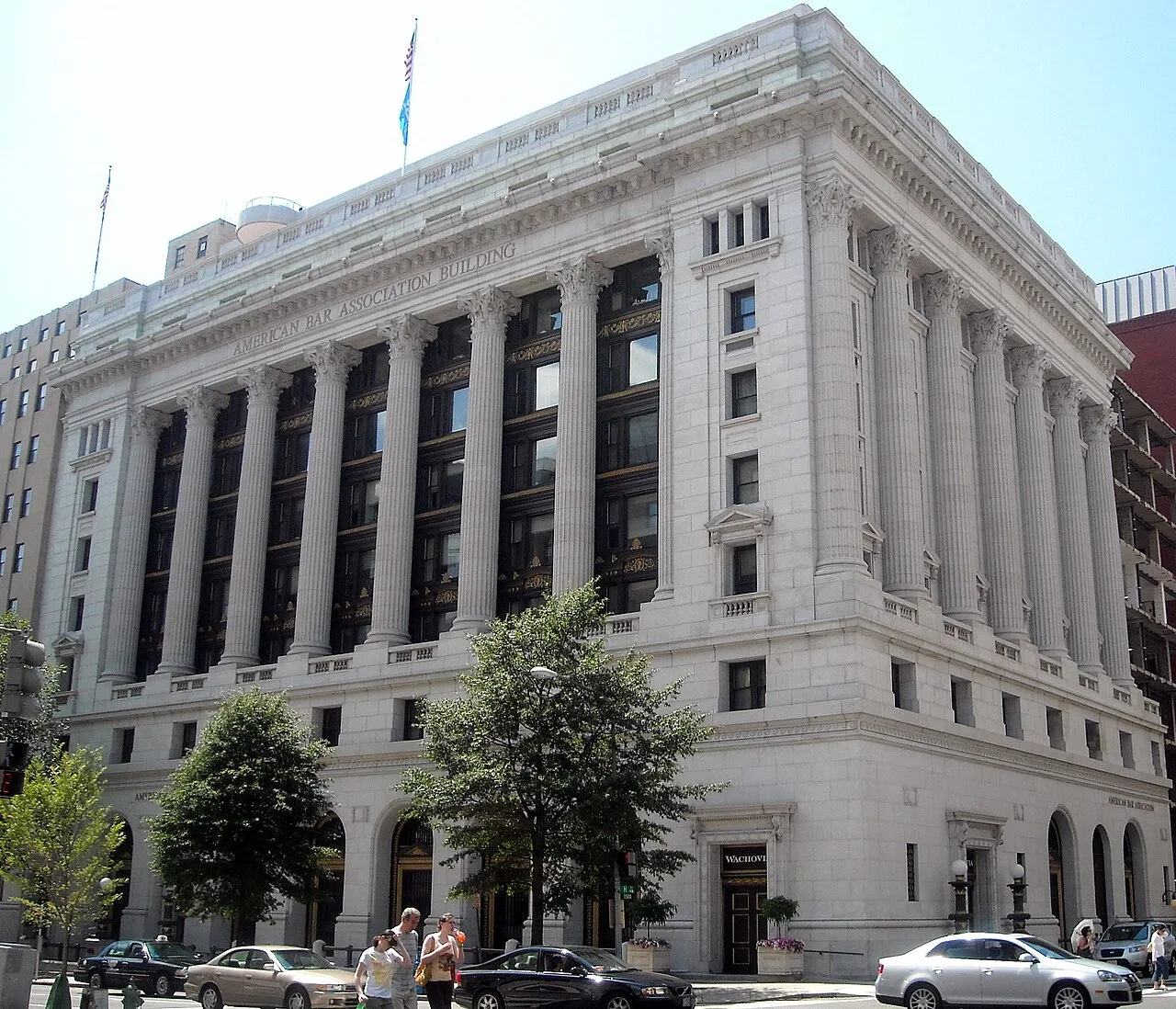
Employers may feel that the backlash against diversity, equity and inclusion work means it will soon fade. Speakers at an American Bar Association conference said that view ignores both history and the law.
What the law still says
Charlotte Burrows, a former chair of the Equal Employment Opportunity Commission, spoke in a separate session. She said federal antidiscrimination law has not changed. Discrimination claims can still cost employers dearly, even as the agency shifts against DEI.
Burrows urged employers to keep DEI apart from concepts such as affirmative action. The Supreme Court has examined affirmative action in recent years. The law does not define DEI, she said, and has not expressly banned it.
States matter too. Many state regulators are eager to step into the gap left at the federal level, Burrows noted. Some states have enacted disparate impact provisions, a concept the Trump administration has rejected. Disparate impact means a practice that looks neutral but hits a protected group harder.
Reading the administration's targets
Roya Vasseghi, founder of Vasseghi Law Group, co-presented with Burrows. She said employers should follow how the administration defines illegal DEI discrimination. The EEOC has said it may include quotas or balancing a workforce by protected characteristics. "DEI programs don't need to go away," Vasseghi said. They need to be reviewed to avoid the risks named in these cases.
The money argument
Stacy Hawkins, a law professor at Rutgers University, cited data published this year by The Conference Board. It found that 63% of U.S. worker respondents would not work for a company that fails to take DEI seriously, or would do so only reluctantly.
Some estimates put the average cost of turnover at more than $45,000 per employee, so those figures add up, she said.
A long history, a changing population
Hawkins told the labor and employment section conference that the pieces that make up DEI grew out of the wider U.S. civil rights movement. Backlash followed in later decades, including opposition to affirmative action, but work on those components continued. "This is not a new story," she said.
She pointed to signs of a possible revival. One is demographic: the 2020 census found that more than half of Americans aged 18 or under identified wholly or partly with nonwhite racial or ethnic groups.
Source: HR Dive