GM Pays $220m to Settle Driving-Data Sales Case
General Motors agreed to pay $220 million to settle allegations led by 36 state attorneys general over OnStar Smart Driver data that was sold to data brokers.
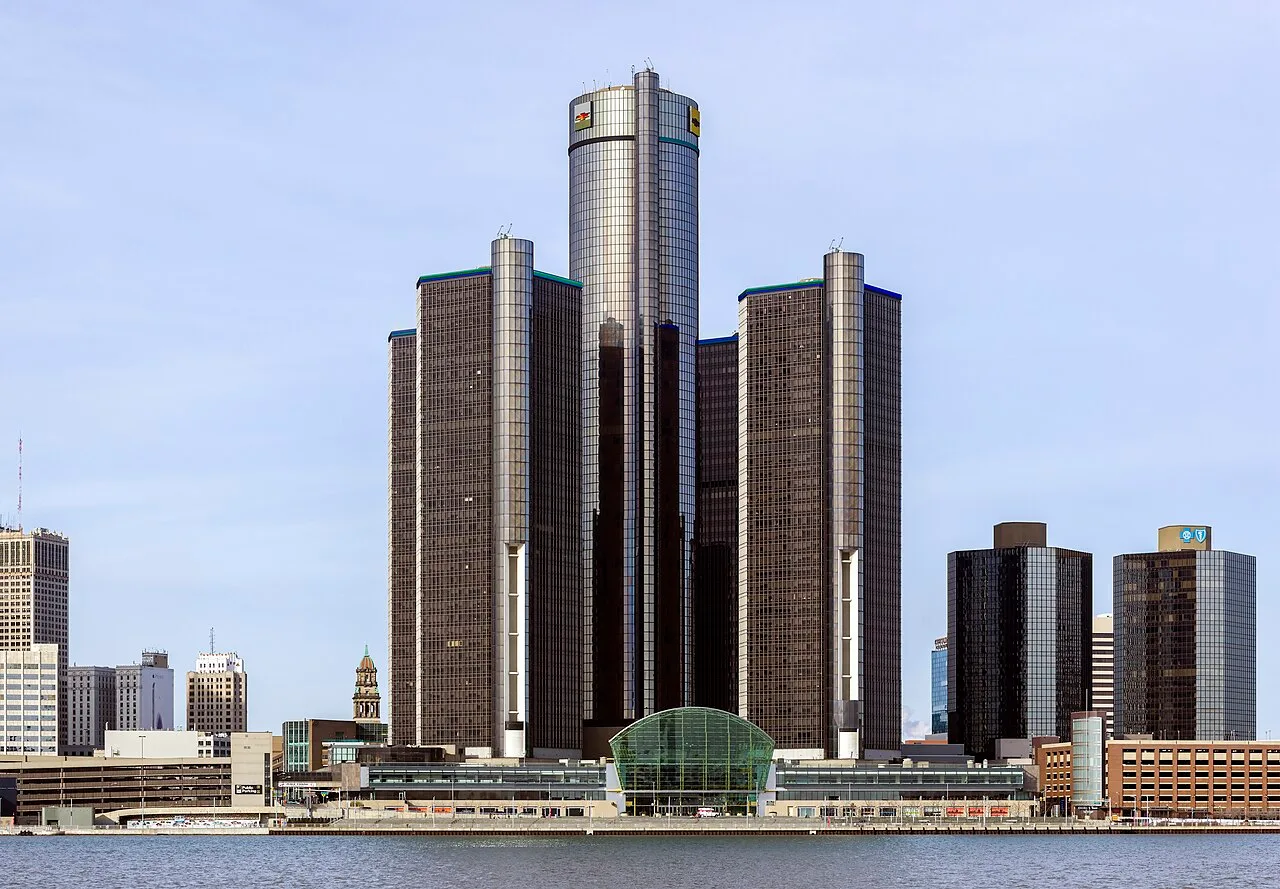
General Motors will pay $220 million to settle allegations that it sold drivers' location and driving-behavior data to brokers. Attorneys general of 36 states brought the claims, with Washington State in the lead.
Enrollment under scrutiny
One claim involves 370,000 drivers. The OnStar app told them they were not in the Smart Driver program, yet they were, and their data was being sold. GM later unenrolled them without notice. Brokers and insurers kept the sensitive driving data they already held.
Washington Attorney General Nick Brown says many drivers landed in Smart Driver automatically when they subscribed to OnStar. He also alleges that dealership employees sometimes agreed to the terms for customers, with no consent from them.
The states say GM pushed dealerships hard to sell OnStar. Employees earned bonuses that rose with the number of customers they signed up for the connected services.
GM's answer and the earlier federal order
In a statement to Reuters, a GM spokesperson said the automaker has strengthened privacy in the system. "Safer, more helpful and personalized experiences are enabled by connected vehicle data," the spokesperson said.
The settlement is not GM's first brush with a regulator over this practice. In January 2025 the Federal Trade Commission banned the company, for five years, from passing location and driver-behavior data to consumer reporting agencies.
Under the FTC terms, customers must say yes explicitly before GM collects data from connected vehicles. Owners must also be able to turn off the gathering of precise location and driving behavior data.
What the sold data contained
From 2016 to 2024, millions of U.S. drivers of GM vehicles joined OnStar Smart Driver. They were told the feature would help them drive better and that their data would not be sold.
Many did not know the system was recording precise location and driving behavior. The records went to major brokers, among them LexisNexis and Verisk, and included hard braking, speeding and late-night driving.
Brokers used the data to build reports on drivers. Some insurers then used those reports to set rates and, in some cases, to deny coverage.
A New York Times story on carmakers selling driving data came out more than two and a half years before the settlement. Two weeks after it ran, GM had to end its deals with both brokers.
Our View
The allegations lean heavily on consent at the point of sale: automatic enrollment, dealership staff accepting terms, bonuses for sign-ups. The report does not say how the $220 million will be divided or whether affected drivers receive anything. The terms of the agreement, and any court approval, would answer that.
Source: CarScoops