Goolsbee Calls October Inflation Report "Borderline Disturbing"
A hot October price reading has Fed officials split on how fast to raise rates. Fed funds futures now unanimously expect a hike in December.
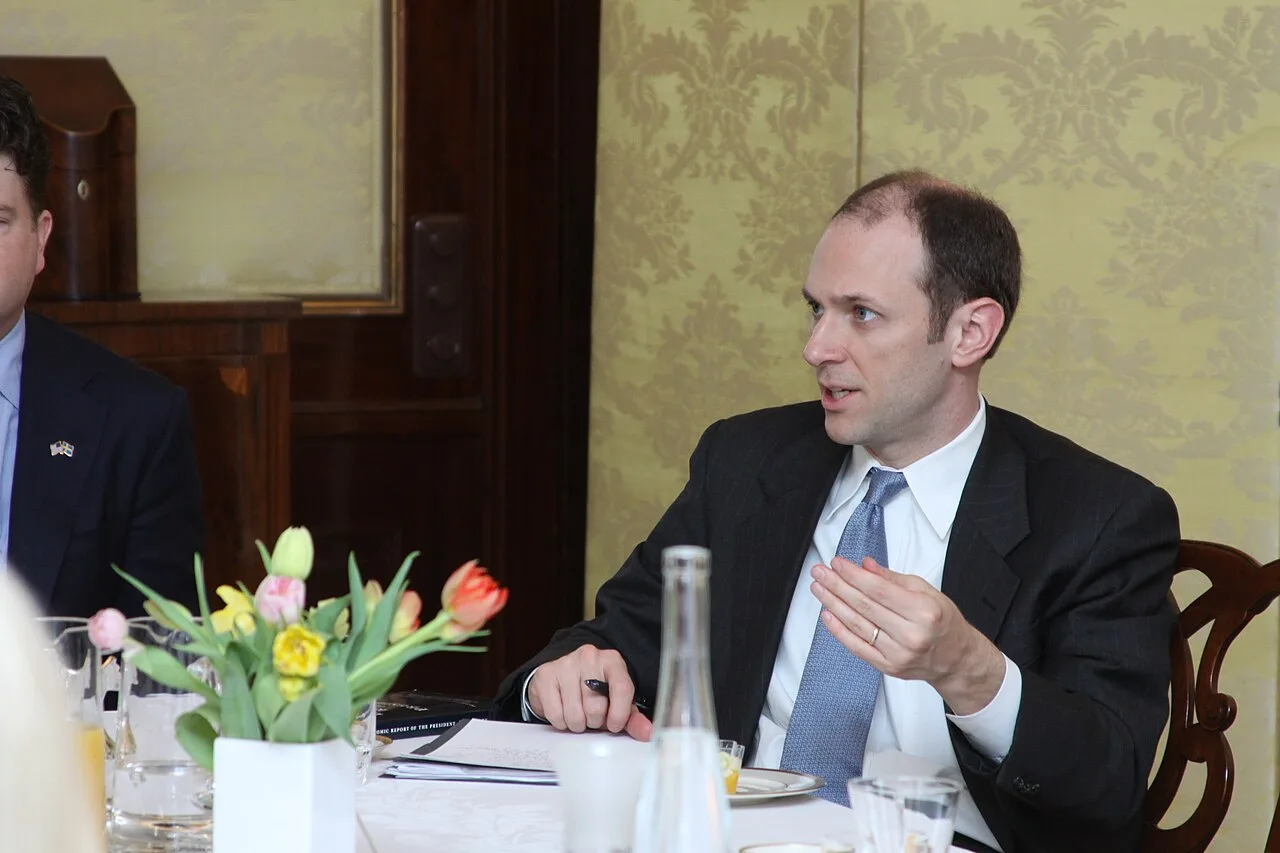
Another hot inflation reading has pushed Federal Reserve officials toward a harder line. Austan Goolsbee, who leads the Chicago Fed, said the problem has been building for some time.
Third month of outsized price gains
Consumer prices rose 0.4% in October on a seasonally adjusted basis, the Bureau of Labor Statistics reported on Tuesday. Economists had expected less. It was the third month in a row of outsized increases.
Goolsbee told "PBS NewsHour" that the report was another distressing one, "borderline disturbing." He said the country has a real inflation problem on its hands.
He had hoped that price drivers such as tariffs would fade over time, and he has not seen that happen. High and persistent inflation in services also worries him.
Expectations are the real fear
Goolsbee called it a major concern that consumers and businesses might start to expect hot inflation as normal. If they do, he said, bringing inflation down becomes far more painful.
He added that high prices are a top issue for many people he meets, from businesses to nonprofits to ordinary households.
He did not say whether he would back a rate rise in December. He does not like tying the committee's hands at the next meeting or later ones.
Colleagues argue over speed
The Fed usually moves rates by a quarter point. Governor Christopher Waller said earlier on Tuesday that a half-point rise in December should be on the table if core inflation came in around 0.3%. Core strips out food and energy costs. Hours later, the number landed there.
Dallas Fed President Lorie Logan sees a need for two more quarter-point increases. She added that the committee could pick up the pace over the winter after a slower autumn.
Anna Paulson of the Philadelphia Fed was calmer. She said "inflation pressures are still very much with us," but argued that further gradual tightening seems appropriate for now. She added that the path ahead hinges on economic conditions and that she is tracking the data closely.
Waller, Logan and Paulson all vote on rates this year, so they will help decide the December outcome. Goolsbee becomes a voter next year.
What traders now expect
In September the Fed lifted its target range by 0.25 points, to 3.75% to 4%. It held rates steady in October.
Fed funds futures are contracts traders use to bet on where the policy rate will go. Tracked by CME's FedWatch tool, they now unanimously expect a hike in December. The open question is the size. Traders put the chance of a half-point move at 15%.
For January, the odds of rates reaching 4.25% to 4.5% stand at 60%. Getting there means one half-point move or a pair of quarter-point ones. Traders give 10% odds to a still higher range of 4.5% to 4.75%.
Source: CNBC