Earth Has Captured a Mini-Moon Called 2026 QQ8
The roughly 2-meter rock entered orbit around Earth in April and is expected to leave in early 2027.
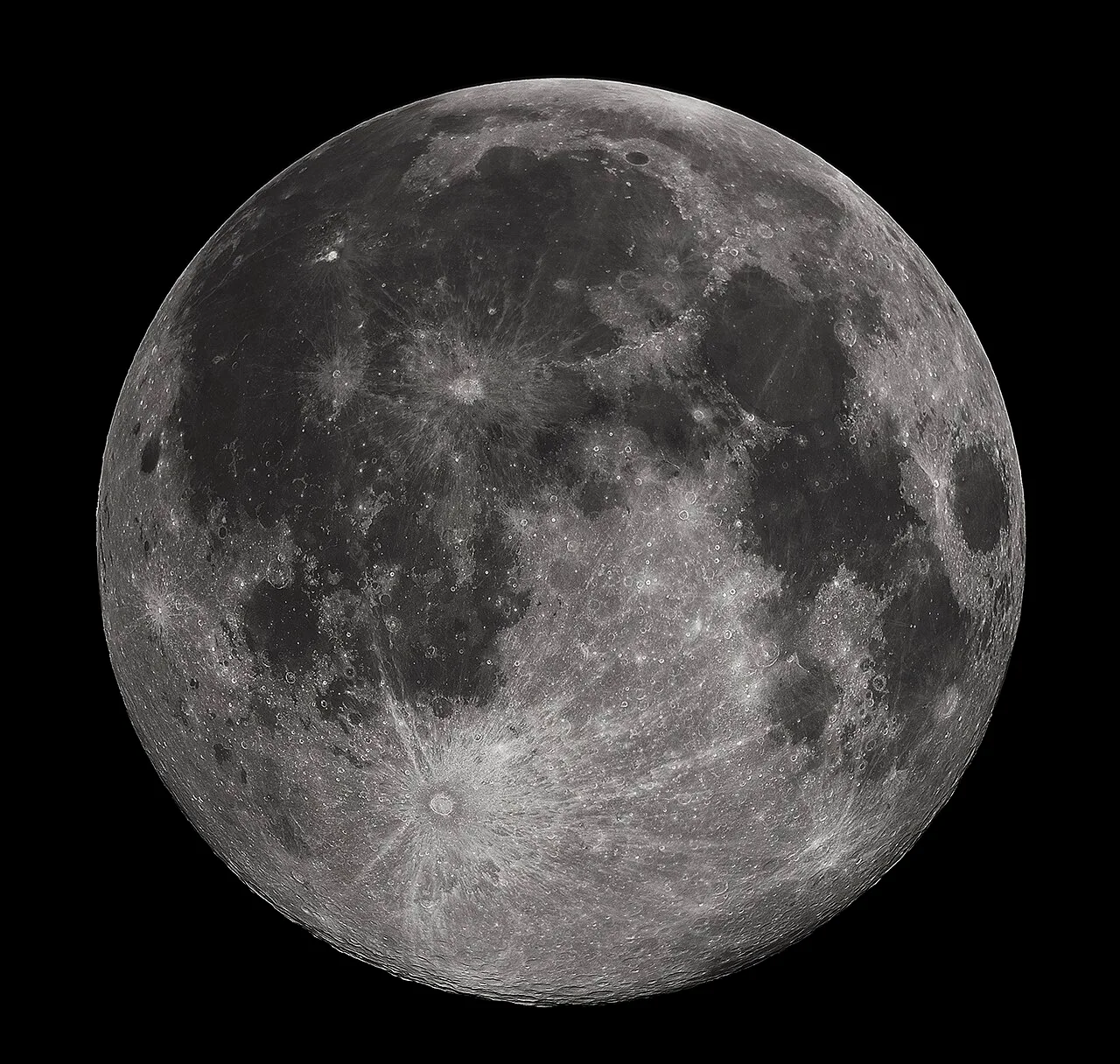
Earth has a new mini-moon, a rock about 2 meters across called 2026 QQ8, and it should stay through Christmas.
Small rock, tame risk
The Minor Planet Center says QQ8 will come no closer than around 353,000 miles (568,000 kilometers) during this stay. For comparison, the moon is on average about 110,000 miles (177,000 km) closer than that. The rock measures only around 6 feet (2 meters). Even if it did come close enough to hit, it would likely be destroyed in the atmosphere before reaching the surface.
Mini-moons are not that rare
The term is loose. A mini-moon is more accurately a temporary satellite, an object held by Earth's gravity for a while. A study published last year put the possible number at up to six temporary satellites at once, and many of them could be chips off the moon.
QQ8 is tiny, but it is bigger than the average. Modeling earlier this year put the average size of a temporary satellite at 75 centimeters (30 inches) and the average stay at around nine months. The same researchers suggested that a rock about 10 feet (3 meters) wide could stay for 10 to 20 years.
An orbit close to Earth's own
Scientists reconstructed the path of QQ8. It takes 359 days, about 0.98 of an Earth year, to orbit the sun. It approaches Earth roughly once every ten years. This time it came near enough for Earth to seize it gravitationally.
When it arrived and when it leaves
Astronomers first observed QQ8 in August 2026, and the work indicates it entered Earth orbit in April. The International Astronomical Union's Minor Planet Center reported the discovery on Thursday, Oct. 29.
The stay is temporary. The object should remain in Earth's gravitational grip through December and break away in 2027. Going by the nine-month average from the modeling, an April capture points to a January 2027 exit.
Source: Space