EU Committee Cuts 2035 Car CO2 Target to 87.5%
An EU committee voted to lower the 2035 CO2 cut for new cars from 100% to 87.5%, so more combustion models can stay on sale after that date.
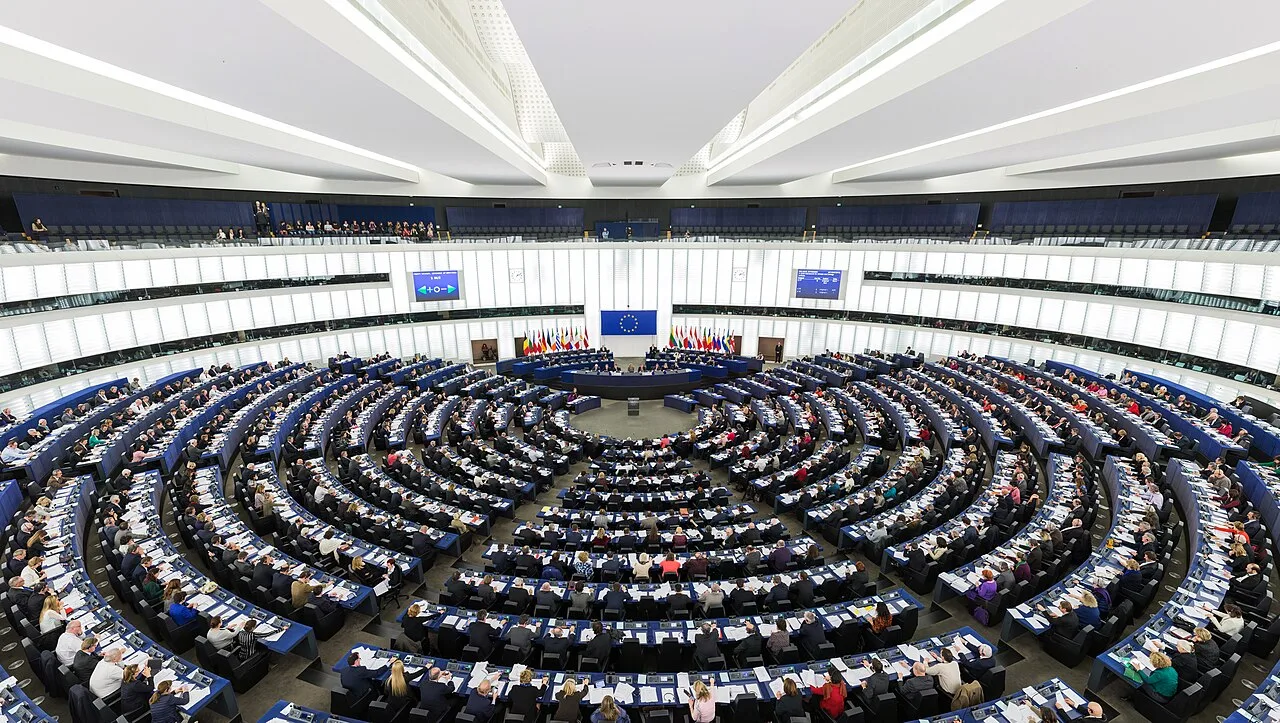
Combustion-engine cars will have more room in Europe after 2035. The EU Environment Committee has voted to relax the CO2 target for new cars, and car makers now have a softer rule to plan around.
From 100% to 87.5%
The committee approved the change on 4 November. The required CO2 reduction for new cars falls to 87.5% from 100%. The new figure is measured against the 2021 baseline.
The committee also backed a plan to classify vehicles that run exclusively on eligible fuels as zero-emissions. The category includes biofuels.
Credits that reward small EVs
Up to 7.5% of car makers' emissions must be offset through credits tied to EU-made low-carbon steel. Electric cars up to 4.2 metres long that are built in the EU get super-credits. Each one sold counts as 1.4 electric cars, which lets the maker sell more combustion models.
Larger ultra-efficient EVs made in the EU would count as 1.2 sales each. The efficiency targets have not been announced. According to Autocar, they will probably focus on cars achieving above 15kWh per 100km, or 4.0 miles per kWh.
Transport & Environment, a green lobby group, estimates that car makers could stay within the new rules in 2035 even with a 50% sales mix of range-extender EVs. Talks are under way so that cars built in the UK can qualify for the scheme.
Vans and the wider package
Vans get concessions too. Vans would face a 35% CO2 cut in 2030. The original proposal set 40%, and the existing rules set 50%. The 2035 van target would drop from 100% to 80%.
The changes sit inside a broader package meant to strengthen EU car manufacturing against cheaper electrified models from Chinese competitors. The package also covers faster development of an EU-made battery supply chain and fewer legislative burdens.
Industry reaction
Car makers want to keep selling combustion models beyond 2035, since bringing down EV battery costs is proving hard. Those models earn them more, although EV sales in Europe have surged this year with higher petrol and diesel prices.
The industry body ACEA gave the vote a cautious welcome and called the approach "pragmatic". It also said that for passenger cars the changes remain "too limited in scope and duration to adequately address the industry's concerns". Toyota welcomed the vote as a step forward and asked for more flexibility.
Source: Autocar